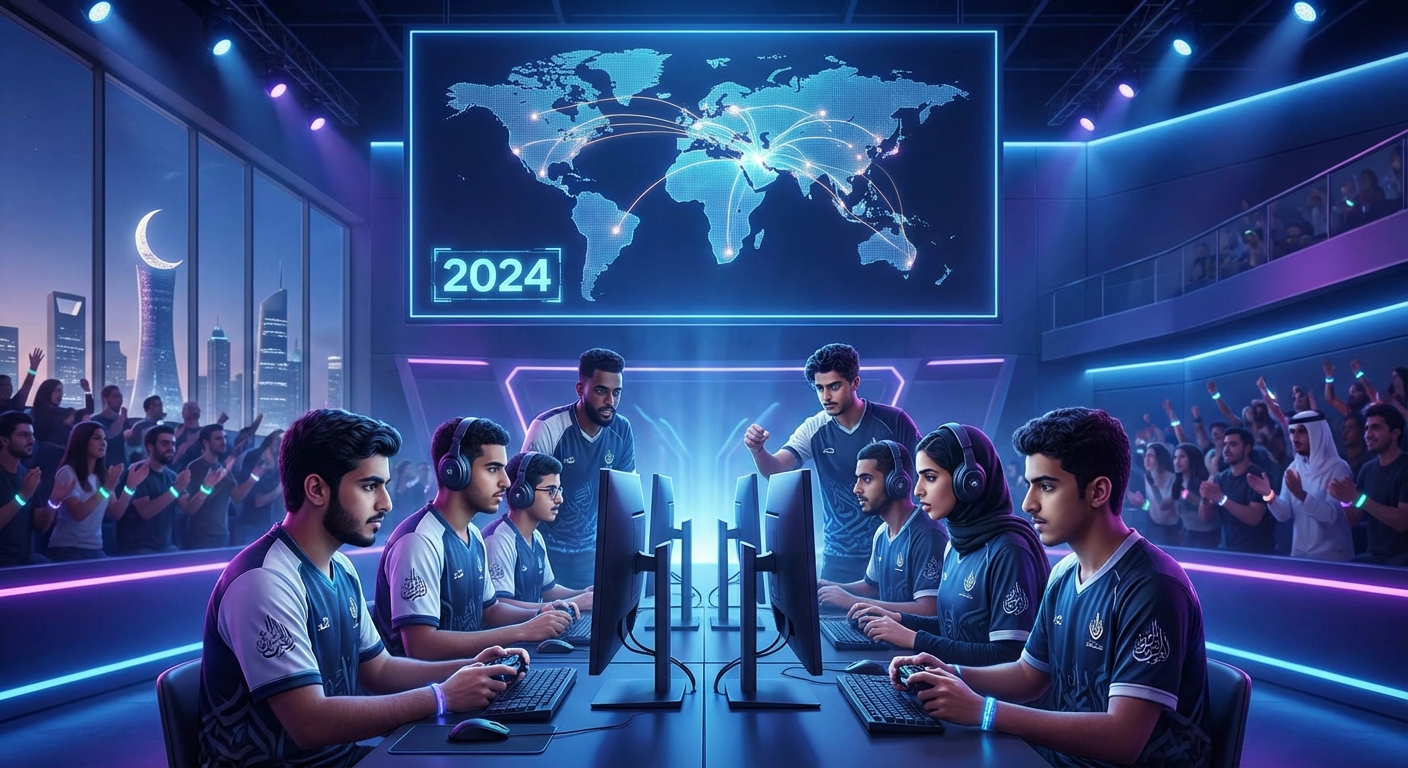
The gaming community watched in disbelief when Team Falcons secured their Dota 2 championship victory at the Berlin Major, marking one of the most significant moments for Middle Eastern esports on the international stage. This wasn’t just another tournament win. It represented years of strategic investment, talent development, and cultural shifts that transformed the region from a spectator market into a competitive powerhouse.
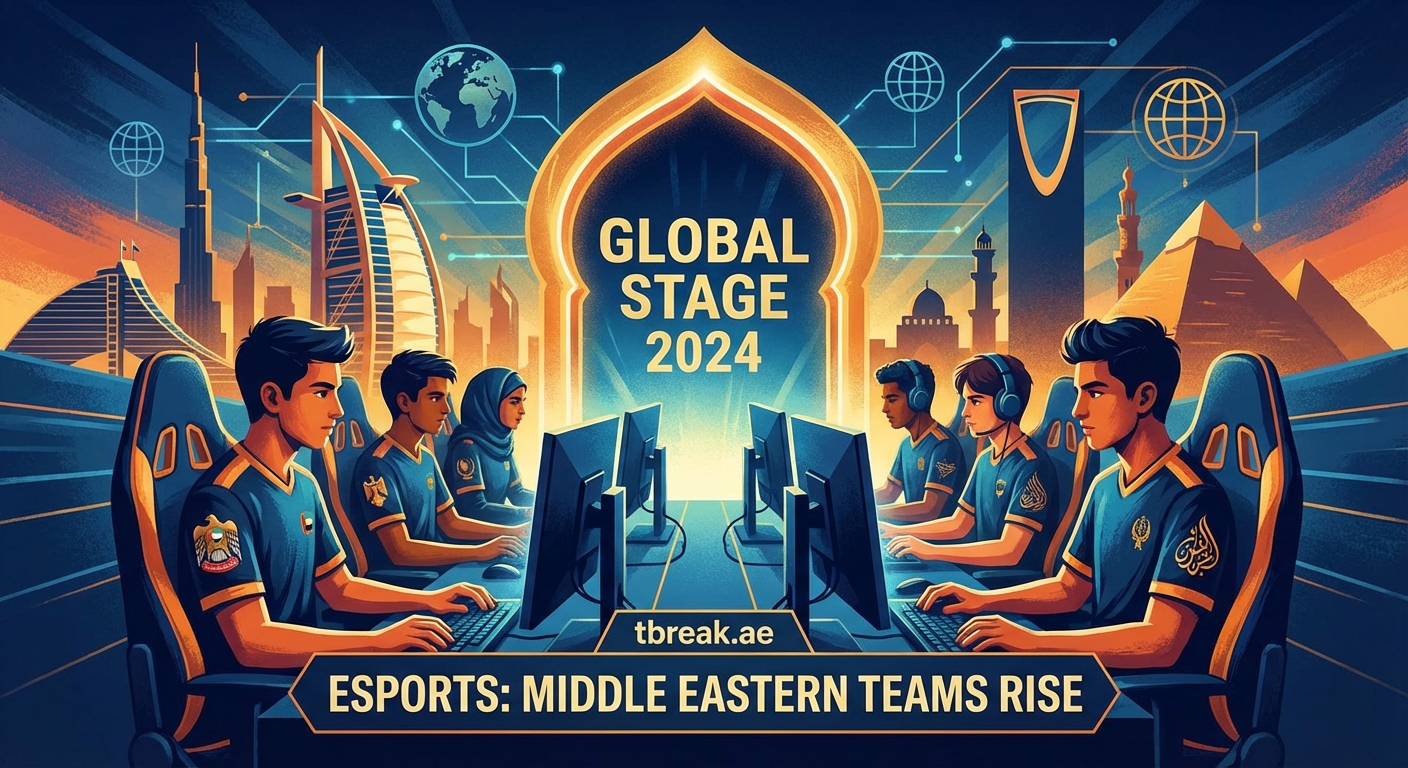
Middle Eastern esports teams are achieving unprecedented success in global competitions through government-backed infrastructure, strategic player acquisitions, and regional tournament hosting. Saudi Arabia leads with massive investments in gaming facilities and international partnerships, while UAE-based organizations build competitive rosters across multiple game titles. These developments position the region as a serious contender against established esports markets in Europe, North America, and Asia.
Teams Making Waves in International Tournaments
Team Falcons stands as the flagship example of Middle Eastern competitive gaming success. The Saudi-backed organization fields rosters across Dota 2, Rocket League, VALORANT, and Rainbow Six Siege. Their Dota 2 squad features players from Eastern Europe and Southeast Asia, demonstrating the region’s strategy of importing established talent while developing local players.
Nigma Galaxy, based in the UAE, competes primarily in Dota 2 with a roster led by veteran players who previously won The International. The organization represents the region’s ability to attract top-tier talent who see the Middle East as a viable base for their competitive careers.
NASR Esports, one of the oldest Middle Eastern organizations, maintains rosters in FIFA, Tekken, and fighting games. They’ve consistently placed in regional qualifiers and occasionally break into international brackets, showing steady improvement year over year.
These teams don’t just participate. They’re winning matches against organizations from regions with decades more competitive infrastructure.
Infrastructure Investments Changing the Game
Saudi Arabia’s Esports World Cup in Riyadh offered a $60 million prize pool across 22 tournaments in summer 2024. The event attracted every major esports organization globally, forcing teams to take the region seriously as a competitive destination.
The Kingdom invested billions in gaming infrastructure through its National Gaming and Esports Strategy. This includes:
- Purpose-built esports arenas with broadcast facilities
- Training centers with high-end gaming equipment
- Visa programs for international players and coaches
- Partnership agreements with game publishers like Riot Games
The UAE followed with its own initiatives. Dubai and Abu Dhabi now host regular tournaments, and the region secured dedicated Middle East North Africa servers for League of Legends, reducing latency issues that previously handicapped local players.
These aren’t vanity projects. The infrastructure directly impacts team performance by providing practice environments comparable to those in Seoul, Los Angeles, or Berlin.
How Regional Teams Build Competitive Rosters
Building a championship-caliber roster in the Middle East follows a specific playbook that differs from traditional esports markets:
- Secure backing from investors or government-linked entities with substantial capital reserves
- Recruit established international players who bring competitive experience and training methodologies
- Identify promising local talent through regional qualifiers and grassroots tournaments
- Establish bootcamp facilities where mixed rosters can practice without travel constraints
- Hire coaches and analysts from established esports regions to implement proven training systems
This approach accelerates development timelines. Instead of waiting a decade for local talent to mature organically, teams can compete at high levels within two to three years.
The strategy has critics who argue it’s buying success rather than earning it. But the results speak for themselves when these rosters defeat teams from regions with longer competitive histories.
Performance Against Established Powerhouses
Middle Eastern teams have recorded notable victories against organizations from China, Europe, and North America throughout 2024. Team Falcons defeated Team Liquid, OG, and PSG.LGD in major Dota 2 tournaments. These aren’t upsets anymore. They’re expected competitive matches.
The win rates tell the story:
| Competition Level | Middle East Team Win Rate | Notes |
|---|---|---|
| Regional Qualifiers | 85-90% | Dominant in MENA region |
| International Qualifiers | 45-55% | Competitive with tier-two global teams |
| Major Tournament Group Stage | 35-45% | Improving against tier-one teams |
| Playoff Brackets | 20-30% | Occasional deep runs, rare championships |
These numbers show teams that can compete but haven’t yet achieved consistent championship-level performance. The trajectory matters more than current standings. Each year shows measurable improvement across all competition tiers.
“Five years ago, Middle Eastern teams were happy to qualify for international events. Now we’re disappointed when we don’t make playoff brackets. That mindset shift reflects real competitive growth, not just financial investment.” – Anonymous coach from a Saudi-based esports organization
Challenges Facing Regional Teams
Cultural factors create unique obstacles. Gaming as a career path still faces skepticism from families in many Middle Eastern countries. Players often pursue competitive gaming secretly until they achieve success significant enough to justify it to parents.
The talent pool remains smaller than in Asia or Europe. Fewer players means less competition for roster spots, which can reduce the pressure that drives improvement.
Travel requirements strain teams based in the region. Most major tournaments occur in Europe, North America, or East Asia. The constant long-haul flights create fatigue and jet lag issues that teams from those regions don’t face.
Language barriers affect communication in mixed rosters. When a team fields players from Saudi Arabia, Russia, Malaysia, and Peru, establishing clear in-game communication takes months of dedicated work.
These challenges aren’t insurmountable, but they require solutions that teams in other regions don’t need to implement.
Game Titles Where Middle East Teams Excel
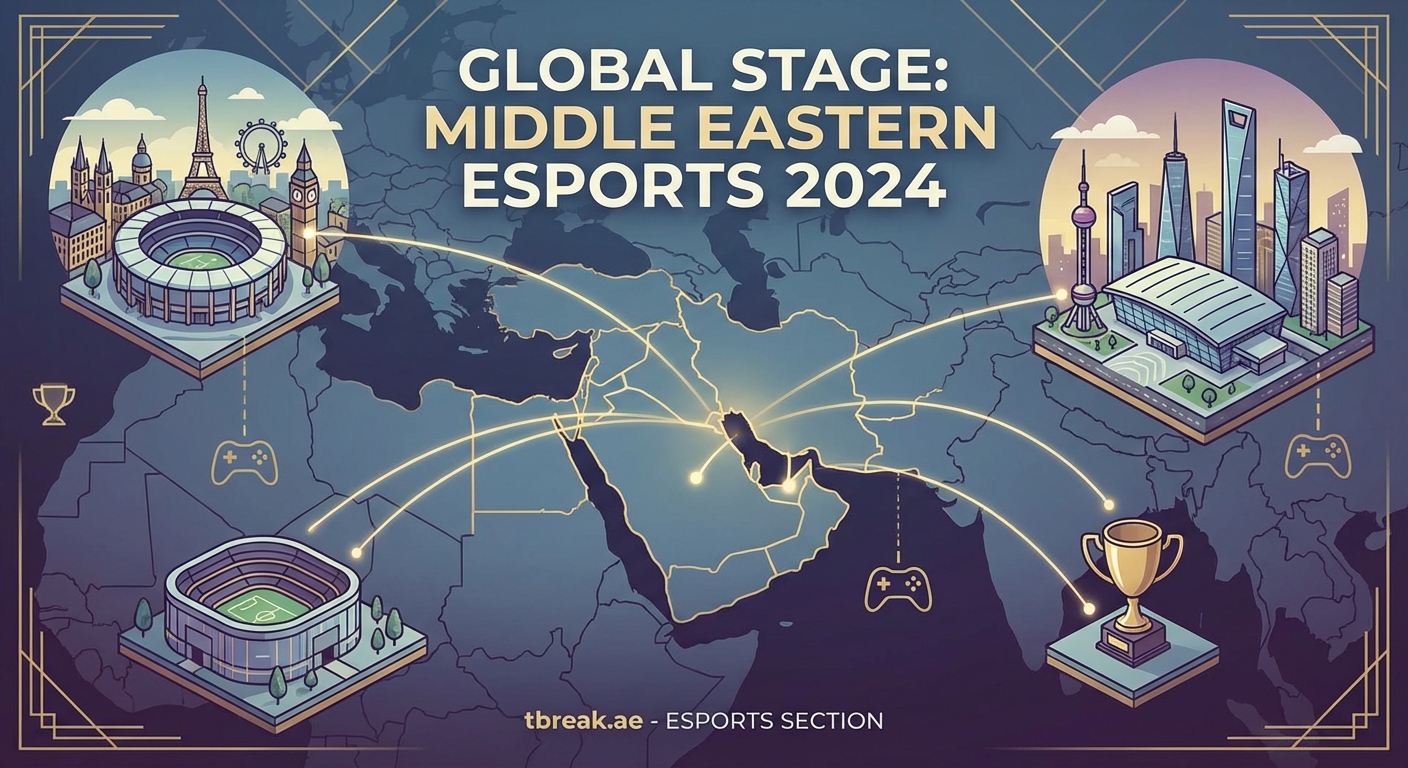
Different games show varying levels of regional success. Dota 2 represents the strongest performance, with multiple teams qualifying for major tournaments and occasional championship victories.
Mobile esports, particularly PUBG Mobile and Free Fire, show even stronger regional performance. The mobile gaming market in the Middle East rivals PC and console gaming, creating a larger talent pool for these titles.
Fighting games represent another strength area. Players from Saudi Arabia and UAE regularly place in Street Fighter, Tekken, and Mortal Kombat tournaments. The one-versus-one format reduces some infrastructure disadvantages that affect team-based games.
Traditional esports titles like League of Legends and Counter-Strike show slower progress. These games have entrenched competitive scenes in other regions, making breakthrough performances more difficult.
The pattern suggests Middle Eastern teams succeed fastest in games where they can compete on relatively equal footing with established regions, either through newer titles or those with less developed competitive infrastructure globally.
Investment in Local Talent Development
Saudi Esports Federation runs talent identification programs in schools and universities. These programs screen thousands of players annually, identifying those with potential for competitive careers.
The UAE Esports Association partners with gaming cafes to host amateur tournaments with prize pools large enough to attract serious competitors. Winners receive coaching opportunities and potential tryouts with professional organizations.
Several organizations now run academy teams that develop younger players without the pressure of immediate international competition. This mirrors the system used successfully in League of Legends Champions Korea.
Local talent development takes time. Most esports professionals peak in their early twenties after years of dedicated practice. The Middle Eastern competitive scene is still young enough that many locally developed players haven’t reached their prime years yet.
The investments made today will show results in 2026 and beyond when players who started training in 2022 and 2023 reach competitive maturity.
Equipment and Technology Advantages
Players in Middle Eastern organizations often train with equipment that rivals or exceeds what’s available to competitors in other regions. Organizations invest heavily in best gaming laptops under 5000 AED available in UAE and Saudi Arabia and high-end peripherals for their rosters.
Training facilities feature:
- 240Hz+ monitors with 1ms response times
- Fiber internet connections with redundant backups
- Climate-controlled practice rooms
- Dedicated streaming and content creation spaces
- Nutrition and fitness facilities integrated into team houses
This equipment advantage doesn’t guarantee wins, but it removes technical limitations as an excuse for underperformance. Teams can focus purely on strategy, communication, and mechanical skill development.
Broadcasting and Media Coverage Growth
Arabic-language broadcasts of major tournaments now reach millions of viewers across the region. Platforms like YouTube and Twitch host dedicated Middle Eastern esports channels with professional production values.
Local commentators and analysts build followings comparable to traditional sports broadcasters. This creates career paths beyond professional play, which helps legitimize esports as an industry in the region.
Sponsorship deals with regional brands provide revenue streams that reduce dependence on prize winnings. Telecommunications companies, energy drink manufacturers, and electronics brands all invest in team sponsorships and tournament partnerships.
The media ecosystem supports sustainable team operations even when tournament results fluctuate. This stability allows organizations to make long-term investments in player development rather than chasing immediate results.
Comparing Middle East Progress to Other Emerging Regions
Latin America’s esports scene developed over 15 years before producing consistent international champions. The Middle East is attempting to compress that timeline through capital investment and infrastructure development.
Southeast Asia followed a similar trajectory, with initial success in mobile esports before expanding to PC titles. The Middle East shows parallel development patterns.
The key difference is financial backing. Middle Eastern teams operate with budgets that rival or exceed those of established organizations in traditional esports regions. This accelerates facility development and talent acquisition but doesn’t automatically translate to competitive success.
Other emerging regions watch the Middle Eastern approach closely. If the investment strategy produces consistent championship-level teams within the next two to three years, it could become a blueprint for esports development globally.
What 2025 and Beyond Look Like
The Saudi Arabian government committed to hosting the Esports World Cup annually through 2030. This guarantees major international competition in the region for the foreseeable future.
More game publishers are establishing official Middle East leagues and qualifiers. Riot Games, Valve, and Epic Games all expanded regional competitive structures in 2024.
Several Middle Eastern organizations announced plans to field rosters in League of Legends and VALORANT for 2025, targeting spots in international leagues. Success in these highly competitive titles would represent a major milestone.
Youth participation in competitive gaming continues growing. The next generation of Middle Eastern players will grow up with established infrastructure, professional role models, and family acceptance of gaming careers that current players lacked.
The region won’t become the dominant force in global esports overnight. But the trajectory points toward consistent competitive relevance across multiple game titles within three to five years.
Building Competitive Gaming Culture
Success requires more than money and facilities. It requires cultural acceptance of gaming as a legitimate career and competitive pursuit.
Middle Eastern countries are experiencing that shift in real time. Parents who initially opposed their children’s gaming now attend tournaments to watch them compete. Universities offer esports scholarships. Government entities recognize top players as cultural ambassadors.
This cultural transformation matters as much as any infrastructure investment. It expands the talent pool, increases practice hours, and creates the competitive pressure that drives improvement.
Traditional sports in the region took decades to develop from recreational activities to professional industries. Esports is attempting the same transformation in a fraction of the time.
The teams competing today are pioneers building something larger than tournament victories. They’re establishing competitive gaming as a permanent part of Middle Eastern sports and entertainment culture.
Where the Region Stands Right Now
Middle Eastern esports teams have moved from participants to competitors on the global stage. They win matches, qualify for playoffs, and occasionally capture championships. The infrastructure exists to support continued growth. The talent pipeline is developing. The cultural acceptance is spreading.
The next phase requires converting potential into consistent championship-level performance. That means winning majors regularly, not occasionally. It means developing local superstars who can carry teams, not just importing established players. It means creating systems that produce competitive rosters across multiple game titles simultaneously.
The foundation is built. Now comes the work of constructing something lasting on top of it. Every tournament, every match, and every player developed brings the region closer to standing alongside Korea, China, and Europe as an esports powerhouse. The question isn’t whether Middle Eastern teams can compete globally anymore. They’re already doing that. The question is when they’ll dominate.
Leave a Reply