Emerging Trends in Middle Eastern Esports Tournaments 2026
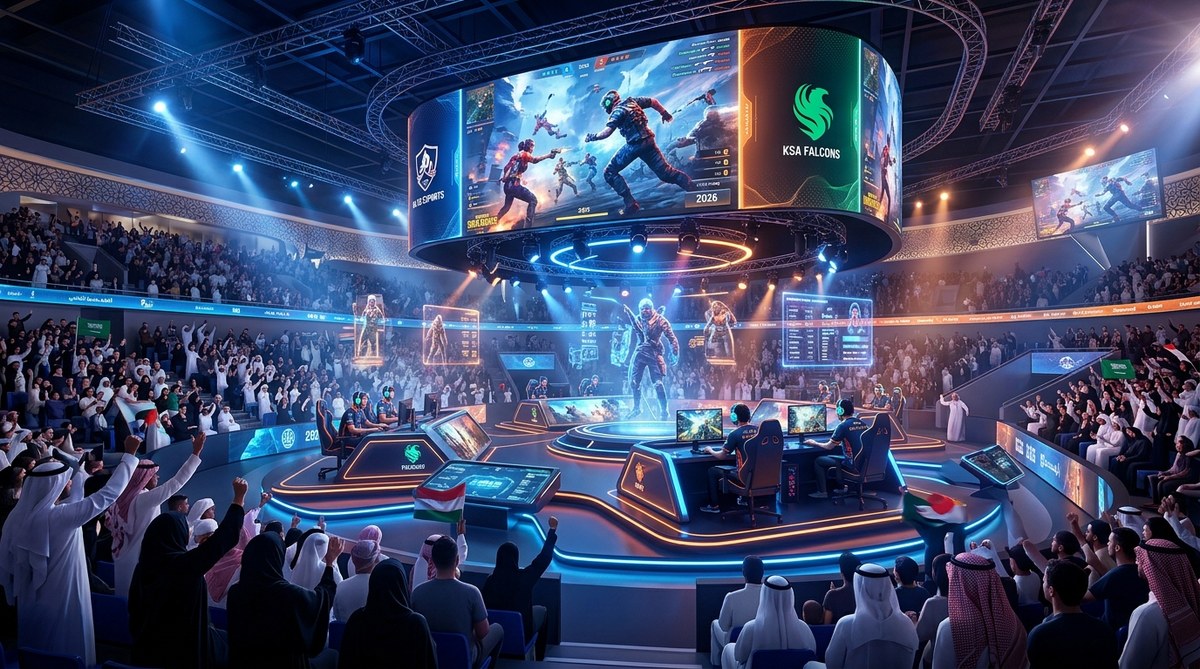
Middle Eastern esports tournaments in 2026 are entering a new era filled with innovation, regional growth, and strategic shifts. As the esports scene continues to expand rapidly across the Middle East, players, fans, and industry insiders are witnessing transformations in tournament formats, market dynamics, and technological integration. This year promises a surge in regional tournaments that not only elevate local talent but also position the Middle East as a key player on the global esports map.
Middle Eastern esports tournaments in 2026 are driven by regional investments, innovative formats, and increased local talent. The scene is poised for global recognition with strategic partnerships and technological advancements shaping the future of competitive gaming in the area.
The Rise of Regional Tournaments and Market Expansion
One of the most striking trends in Middle Eastern esports for 2026 is the expansion of regional tournaments. Countries like Saudi Arabia, the United Arab Emirates, and Qatar are investing heavily in esports infrastructure. These investments aim to create a sustainable ecosystem that supports both amateur and professional players. Major cities are transforming into esports hubs, hosting large-scale events that attract international teams and audiences.
In 2026, regional tournaments are no longer just local affairs. They are becoming landmarks that showcase Middle Eastern talent on a global stage. Events like the Riyadh Gaming Festival and Dubai Esports Summer are setting new standards for production quality and prize pools. As a result, local players now have more opportunities to turn professional and gain recognition without needing to travel abroad.
Key drivers behind this growth include:
- Strategic government initiatives such as Saudi Arabia’s Gaming Vision 2030.
- Private sector investments from regional tech giants.
- The rise of esports academies nurturing young talent.
- The increasing popularity of mobile esports, which dominate the region.
Practical steps for regional tournament organizers:
- Partner with local tech brands for sponsorship.
- Incorporate diverse tournament formats to appeal to different audiences.
- Use regional streaming platforms to reach wider viewers.
- Focus on youth engagement through school and university events.
- Invest in high-quality production and live commentary to boost appeal.
Innovative Tournament Formats and Technologies
2026 marks a shift towards more engaging and inclusive tournament formats. Traditional single-elimination and best-of-three series are giving way to more dynamic structures such as round-robin, double-elimination, and hybrid formats. These changes aim to maximize viewer engagement and provide more opportunities for players to showcase their skills.
Technological advancements are also playing a crucial role. Cloud-based tournament management tools streamline registration and scoring, while augmented reality AR features enhance live event experiences. Virtual reality VR is gradually being integrated into fan zones, allowing spectators to immerse themselves in the action remotely.
“The adoption of hybrid formats and cutting-edge tech is transforming how fans experience esports,” notes regional gaming analyst Amir Khalil. “It makes tournaments more exciting and accessible, especially in a region where mobile gaming is king.”
Techniques shaping the tournament landscape:
| Technique | Advantage | Common Mistake |
|---|---|---|
| Hybrid tournament formats | Increased engagement | Overcomplicating the bracket structure |
| Cloud management tools | Streamlined operations | Underestimating the need for robust internet |
| AR/VR fan zones | Immersive experience | High setup costs without clear ROI |
Expert tip:
“Invest in scalable tech solutions that can grow with your tournament’s audience. Overly complex systems can hinder the experience,” advises esports event organizer Sarah Nasser.
The Role of Mobile Esports and Local Talent Development
Mobile esports continues to dominate the Middle Eastern scene in 2026. Popular titles like PUBG Mobile, Call of Duty Mobile, and Free Fire are staples at regional tournaments. The accessibility of smartphones makes esports participation possible for a broad demographic, fueling local talent development.
Countries are establishing dedicated training centers and academies to nurture aspiring pros. These initiatives aim to produce players who can compete at international levels, reducing reliance on foreign talent and strengthening regional teams.
Key steps for aspiring players:
- Join local esports academies or clubs.
- Practice regularly and participate in regional qualifiers.
- Connect with regional streaming communities.
- Seek mentorship from established players.
- Focus on both game skills and team coordination.
Market scanning for stakeholders:
- Mobile esports tournaments in the Middle East are seeing record attendance.
- Local teams are increasingly signing sponsorship deals with regional brands.
- Streaming platforms like Shahid and YouTube are investing heavily in regional gaming content.
Market Challenges and Opportunities
Despite positive growth, the regional esports scene faces hurdles. Infrastructure gaps, inconsistent internet quality, and the need for regulatory clarity remain obstacles. However, these challenges are prompting innovative solutions.
For example, some tournaments are adopting offline and online hybrid models to ensure broader participation. Governments are also beginning to formalize esports policies, which will open doors for investment and sponsorship.
Common pitfalls:
- Underestimating the importance of reliable internet connectivity.
- Not engaging local communities early.
- Overlooking regional cultural nuances in marketing.
Future market opportunities:
- Expansion of bilingual content to cater to diverse audiences.
- Development of esports tourism linked to major tournaments.
- Collaboration with regional universities for talent pipelines.
How to Stay Ahead in the 2026 Middle Eastern esports Scene
- Monitor regional tournament schedules: Keep an eye on events like the Saudi Esports Festival and Dubai Gaming Expo.
- Engage with regional streaming platforms: Platforms like Shahid and OM GAMING are key content sources.
- Follow local industry leaders and organizations: They often announce new tournaments and initiatives.
- Invest in regional tech and gaming brands: Partnerships with brands like Razer Middle East and Samsung can boost visibility.
- Support grassroots initiatives: Volunteer or sponsor local tournaments to build community presence.
Mistakes to avoid:
- Ignoring the importance of cultural relevance in marketing.
- Focusing only on international tournaments and neglecting local events.
- Underfunding regional infrastructure and talent development.
Building Middle Eastern Esports Into a Global Powerhouse
The regional scene is ripe for growth, with 2026 shaping up as a pivotal year. By embracing innovative formats, technological advancements, and local talent, Middle Eastern tournaments are setting the stage for international recognition.
As the scene matures, expect to see bigger prize pools, more diverse game titles, and increased participation from neighboring regions. The key to success lies in continuous adaptation, strategic partnerships, and fostering regional pride.
“Supporting homegrown talent and leveraging regional infrastructure will be crucial for Middle Eastern esports to stand tall on the global stage,” says industry veteran Omar Al Farsi.
Tips for stakeholders:
- Focus on community-building and youth engagement.
- Invest in high-quality production and streaming.
- Foster partnerships with regional tech companies.
- Promote a culture of inclusivity and innovation.
- Stay adaptable to emerging trends and audience preferences.
Elevating the Middle Eastern Gaming Scene in 2026
The momentum from this year on will shape the future of Middle Eastern esports. Organizers, players, and fans all have a role in boosting the region’s reputation. By embracing new formats, technological innovation, and local talent development, the scene will continue to grow and attract global attention.
Practitioners should prioritize community engagement, invest in infrastructure, and promote regional pride. This strategic approach can turn the Middle East into a major esports destination by the end of 2026.
Whether you’re a player, fan, or industry insider, staying informed and involved can help you capitalize on the exciting opportunities this year offers. With talent and innovation on the rise, the Middle Eastern esports scene is set to make a lasting impact.
Stay connected, support local talent, and keep an eye on upcoming tournaments. The future of Middle Eastern esports in 2026 is bright, and your participation makes it even better.

Post Comment