



Gaming in Arabic has come a long way. For years, players in the Middle East had to settle for English titles with awkward translations or no localization at all. Now, a growing wave of developers is creating games that don’t just translate Arabic but celebrate the region’s rich heritage, folklore, and contemporary stories. These titles offer something special: a chance to see your culture reflected authentically on screen.
Arabic-language games now showcase Middle Eastern culture through authentic storytelling, from historical adventures like Assassin’s Creed Mirage to indie gems like Unearthed. These titles feature native voice acting, regional folklore, and settings that resonate with local players. Whether you’re interested in Bedouin traditions, Arabian mythology, or modern Gulf society, there’s a game that brings these stories to life while supporting the region’s growing gaming industry.
Why Arabic-Language Gaming Matters Now
The Middle Eastern gaming market is booming. Saudi Arabia alone has over 23 million gamers, and the UAE isn’t far behind. Yet for decades, these players consumed content created elsewhere, dubbed or subtitled as an afterthought.
Things are changing. Developers across the region and beyond now recognize that authentic representation sells. Arabic isn’t just a language option anymore. It’s the foundation for entire narrative experiences.
This shift matters for preservation too. Many traditional stories, legends, and historical events risk fading from collective memory. Games offer an interactive medium to keep these tales alive for younger generations who might not pick up a history book but will gladly spend hours in a virtual world.
Assassin’s Creed Mirage Brings Baghdad to Life
Ubisoft’s latest installment takes players to 9th-century Baghdad during the Islamic Golden Age. The entire game features full Arabic voice acting, not as a secondary option but as the primary experience.
Walking through the streets, you’ll hear merchants haggling in classical Arabic. The architecture mirrors historical records of the Abbasid Caliphate. Even the parkour mechanics feel different here, adapted to the unique rooftop designs of Middle Eastern cities.
The game doesn’t shy away from showing the intellectual achievements of the era. You’ll encounter scholars, translators, and inventors who shaped modern science and mathematics. It’s a far cry from the usual desert stereotypes.
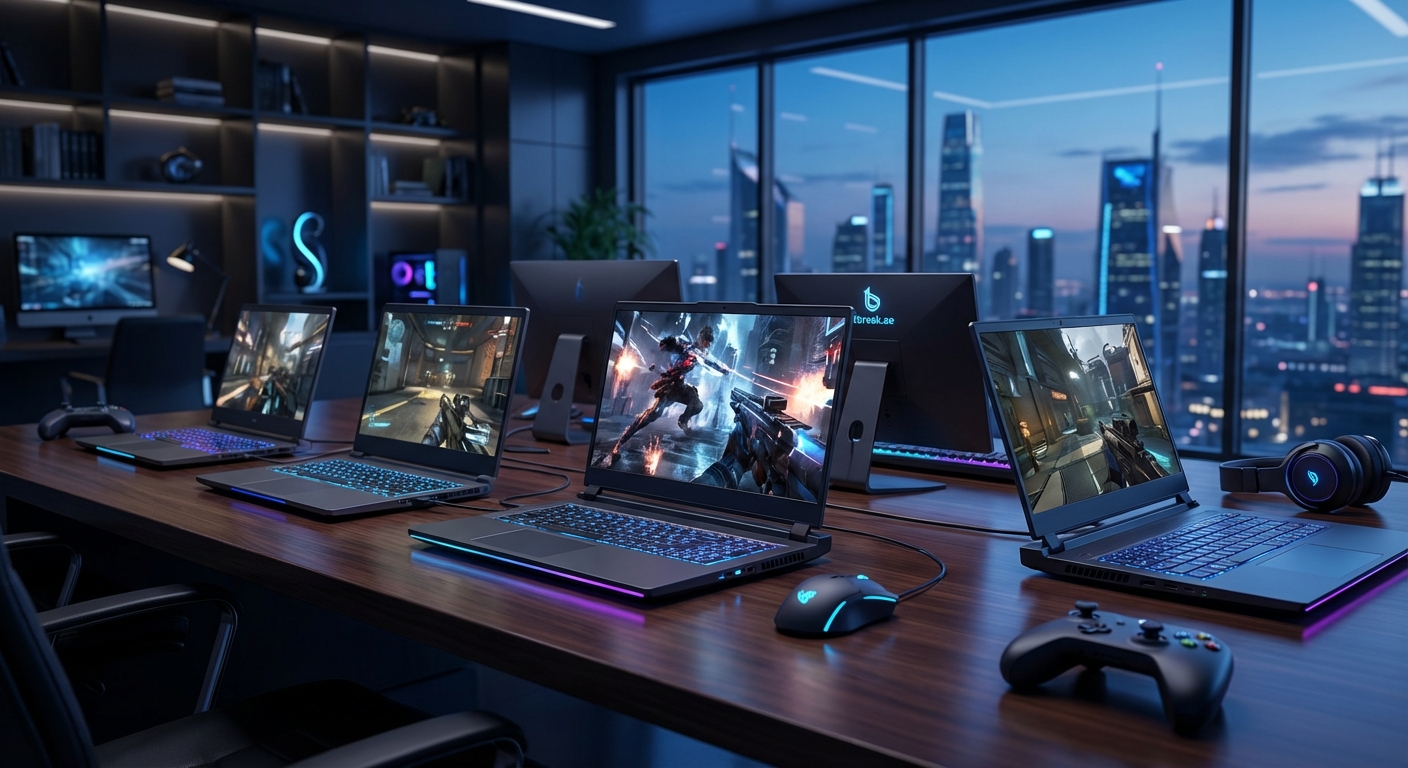
For players wanting the best visual experience, consider pairing this title with a best gaming laptops under 5000 AED available in UAE and Saudi Arabia to handle the detailed environments.
Unearthed Tells a Bedouin Story
This indie title from Faisal Al-Qudaihi focuses on a young Bedouin girl searching for her lost father. The entire narrative unfolds in Arabic, with dialogue that captures the cadence and poetry of traditional storytelling.
What makes Unearthed special is its attention to cultural detail. The protagonist uses traditional navigation methods, reading stars and natural landmarks. You’ll learn about desert survival techniques passed down through generations.
The art style blends hand-drawn animation with regional patterns and colors. It feels like playing through an illuminated manuscript. The soundtrack incorporates traditional instruments like the oud and qanun, creating an atmosphere that’s both nostalgic and fresh.
Jawaker Preserves Classic Card Games
Not every cultural game needs epic quests. Jawaker has built a massive following by digitizing traditional Arabic card and board games like Tarneeb, Baloot, and Trix.
The platform supports full Arabic interface and chat, letting players from Morocco to Oman connect over games their grandparents played. It’s become a social hub, especially during Ramadan when families gather virtually.
The developers regularly add regional variations. Baloot rules differ between Saudi Arabia and Kuwait, and Jawaker accommodates both. This attention to local preferences has made it one of the most downloaded apps in the Gulf.
Hayati: My Life Tackles Modern Issues
This narrative adventure from Lebanese studio Wixel follows a young woman navigating life in contemporary Beirut. The game addresses real issues: economic pressure, family expectations, and personal identity.
All dialogue appears in Lebanese Arabic, complete with local slang and expressions. It’s refreshing to see a game that doesn’t sanitize or formalize the language. Characters speak the way real people do.
The choices you make affect relationships and career paths. There’s no fantasy escape here, just honest storytelling about modern Middle Eastern life. Some players find it hits too close to home. Others appreciate finally seeing their reality represented.
Salaam Brings Islamic History Forward
Targeted at younger audiences, Salaam teaches Islamic history through interactive episodes. Each chapter covers different periods, from the early caliphates to the Ottoman Empire.
The educational content never feels preachy. You’re solving puzzles, making decisions, and experiencing history rather than memorizing dates. The Arabic narration uses clear, accessible language that works for both native speakers and learners.
Parents across the region have embraced it as a way to teach heritage without forcing kids to sit through lectures. The game balances entertainment with education better than most edutainment titles manage.
Ruh Reimagines Arabian Folklore
This horror adventure from Saudi developer Nasir Alkhaldi draws on djinn mythology and regional ghost stories. The atmosphere is genuinely unsettling, using folklore most Western horror games never touch.
The Arabic voice acting adds to the tension. Hearing incantations and warnings in your native language creates a different kind of fear than English jump scares. The game understands that horror works best when it taps into cultural anxieties.
Ruh also explores themes of faith and tradition in ways that feel authentic rather than exploitative. It’s not using Middle Eastern culture as exotic window dressing. The story comes from someone who grew up with these tales.
Godus Wars Includes Arabic Mythology
While not exclusively Middle Eastern, this strategy game includes Arabian deities and mythological creatures as playable factions. The Arabic localization goes beyond translation, adapting references and jokes to land properly.
You can build civilizations inspired by pre-Islamic Arabian kingdoms, complete with historically accurate units and buildings. The research team consulted with regional historians to get details right.
It’s a smaller inclusion compared to dedicated Arabic games, but it shows how even international titles are starting to treat Middle Eastern content with more respect and depth.
How These Games Support Local Development
| Aspect | Traditional Approach | Arabic-Focused Games |
|---|---|---|
| Voice Acting | Dubbed after release | Recorded with native speakers first |
| Cultural Consulting | Minimal or none | Extensive research and local input |
| Story Themes | Universal or Western-centric | Region-specific narratives |
| Language Quality | Often awkward translations | Natural, colloquial Arabic |
| Market Priority | Secondary consideration | Primary target audience |
Playing these games does more than entertain. It supports a growing regional industry. Every download, every positive review, sends a signal that Arabic content has value.
Many of these developers started as solo projects or small teams. Your engagement helps them secure funding for future titles. It creates a sustainable ecosystem where more creators can tell Middle Eastern stories.
“When players see their culture represented authentically, they engage differently. It’s not just a game anymore. It’s a mirror that reflects who they are and where they come from. That emotional connection drives everything we do.” – Faisal Al-Qudaihi, developer of Unearthed
What Makes Good Arabic Localization
Not all Arabic in games hits the mark. Some companies treat it as a checkbox, running text through automated translators and calling it done. Quality localization requires more.
The best Arabic games use regional dialects appropriately. A character from Cairo shouldn’t sound like they’re from Dubai. Context matters. Formal classical Arabic works for historical settings or narration, but feels stiff in contemporary dialogue.
Cultural references need adaptation too. A joke that works in English might fall flat or even offend in Arabic. Good localization teams rewrite rather than translate, preserving intent while changing execution.
Finding and Supporting These Titles
Most major platforms now support Arabic properly. PlayStation, Xbox, and Steam all have growing Arabic game sections. Mobile stores like Google Play and the App Store feature regional charts that highlight local favorites.
Look for games developed in the Middle East or by Arab creators. They’re more likely to get the details right. Check reviews from regional gaming sites rather than just international outlets.
Many of these titles offer free demos or trial periods. Try before you buy, especially for indie games where quality can vary. Support developers directly when possible, through their websites or Patreon pages.
Social media helps too. Follow Middle Eastern gaming communities on Twitter, Discord, and Reddit. They share new releases, discuss quality, and organize events around Arabic titles.
Common Challenges These Games Face
Funding remains the biggest obstacle. Western publishers often underestimate the Middle Eastern market, making it harder for local developers to secure investment. Many resort to crowdfunding or self-publishing.
Technical challenges exist too. Arabic text flows right to left, which creates layout issues in game engines designed for left-to-right languages. Developers need specialized tools and extra testing time.
Marketing to a fragmented region adds complexity. A game popular in Saudi Arabia might flop in Egypt due to dialect differences or cultural preferences. Developers must choose between targeting specific countries or trying to appeal broadly.
Distribution isn’t always smooth either. Some digital storefronts have limited payment options in certain countries. Physical releases face import restrictions and high costs.
Skills You’ll Learn Playing These Games
Beyond entertainment, Arabic-language games offer practical benefits. They improve language skills, especially for heritage speakers trying to maintain fluency or learners studying Arabic.
Historical titles teach actual facts about the region’s past. You’ll absorb information about architecture, trade routes, and cultural practices without realizing you’re learning.
Problem-solving skills develop through gameplay. Many of these titles incorporate traditional logic puzzles and strategic thinking rooted in regional game traditions.
Cultural literacy grows naturally. You’ll understand references, recognize historical figures, and appreciate artistic traditions that might otherwise remain unfamiliar.
The Future Looks Promising
More studios are opening across the Gulf and Levant. Government initiatives in Saudi Arabia and the UAE now fund game development as part of economic diversification efforts.
Universities are adding game design programs. The next generation of developers will have formal training rather than learning through trial and error.
International publishers are paying attention. After seeing the success of titles like Assassin’s Creed Mirage, more companies are greenlighting projects with Middle Eastern settings and Arabic-first development.
Virtual reality and augmented reality offer new possibilities. Imagine walking through historical sites or experiencing folklore in immersive 3D. Several regional studios are already experimenting with these technologies.
Building Your Arabic Gaming Library
Start with your interests. Love history? Try Assassin’s Creed Mirage or Salaam. Prefer social gaming? Jawaker offers endless replay value. Want something contemporary? Hayati delivers modern storytelling.
Mix genres to get a full picture of what’s available. The variety might surprise you. Arabic gaming isn’t just one type of experience.
Don’t sleep on mobile titles. While console and PC games get more attention, some of the best Arabic content lives on smartphones. They’re often free to try and easier to share with friends.
Keep an eye on gaming festivals and competitions in the region. Events like Saudi Gamer Day and MEFCC showcase upcoming titles and let you meet developers.
Why Your Playtime Matters
Every hour you spend with these games contributes to something bigger. You’re voting with your time for more authentic representation. You’re showing publishers that Middle Eastern stories have commercial value.
You’re also preserving culture in a modern format. Future generations might learn about their heritage through these interactive experiences rather than textbooks.
Most importantly, you’re enjoying stories designed for you. Not adapted, not translated as an afterthought, but created from the ground up with Arabic speakers in mind. That’s worth celebrating.