Why Mobile Esports Dominates the Middle East While PC Gaming Struggles
The Middle East is no longer on the sidelines of competitive gaming. It’s building arenas, signing million-dollar sponsorships, and hosting world-class tournaments that pull in audiences from every continent. Esports growth in the Middle East has accelerated faster than most analysts predicted, fueled by government backing, mobile-first audiences, and a generation that sees gaming as culture, not just entertainment.
The Middle East esports market is projected to reach $1.8 billion by 2026, driven by [Saudi Vision 2030](https://www.vision2030.gov.sa/) investments, mobile gaming dominance, and strategic tournament hosting. Regional governments are funding infrastructure, talent development, and global partnerships, positioning MENA as a competitive force in the global esports ecosystem.
Government investment is reshaping the competitive landscape
Saudi Arabia alone committed $38 billion to gaming and esports through its Public Investment Fund. This isn’t symbolic spending. It’s infrastructure, training facilities, event hosting rights, and talent acquisition on a scale that rivals traditional sports investments.
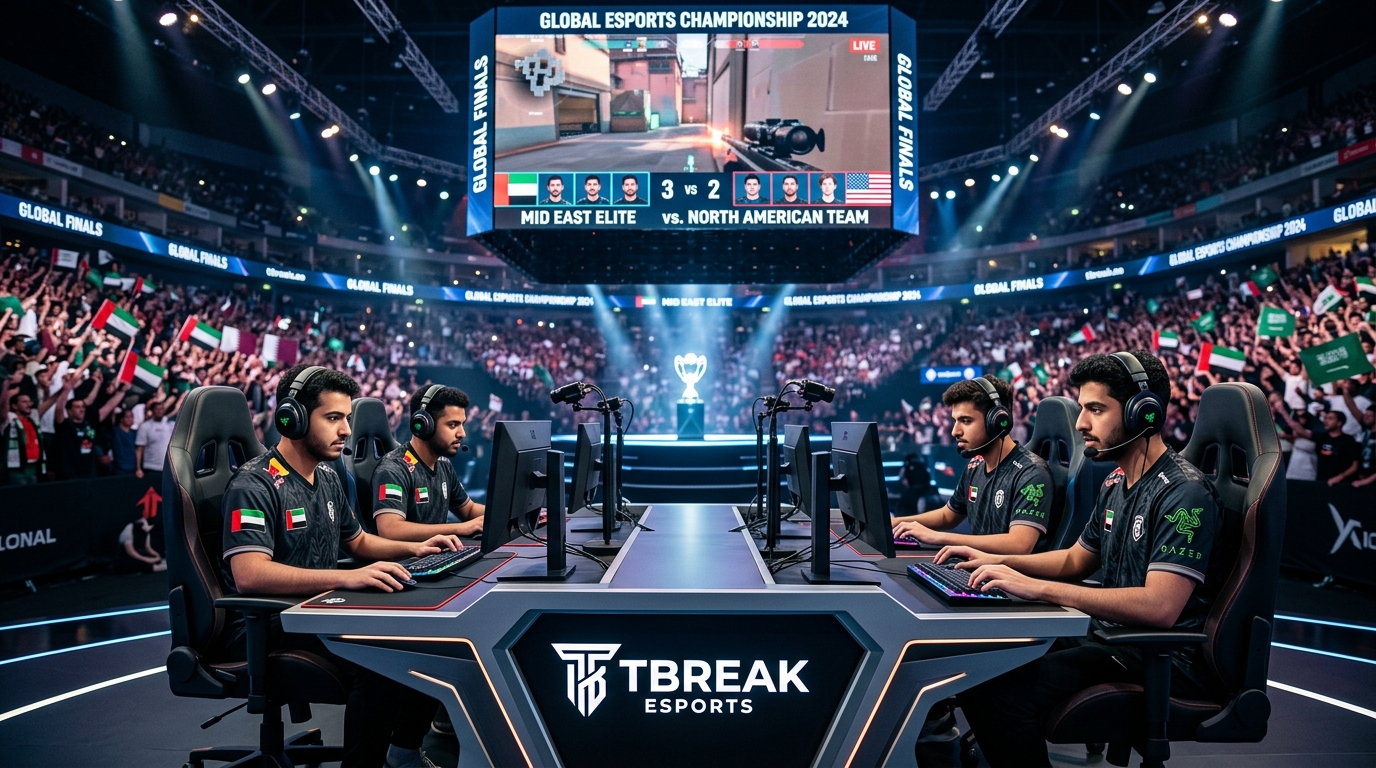
The Esports World Cup in Riyadh carried a $70 million prize pool, the largest in competitive gaming history. That single event attracted teams, sponsors, and media coverage that would have seemed impossible for the region five years ago.
UAE followed with Dubai’s own esports district, complete with arenas, streaming studios, and dedicated training centers. These aren’t just buildings. They’re ecosystems designed to support players, content creators, coaches, and analysts.
Egypt and Jordan are building smaller but strategic programs focused on grassroots talent development. The goal is to identify players early, provide coaching, and create pathways to professional teams.
Here’s how regional governments are structuring their esports investments:
- Build physical infrastructure like arenas and training centers
- Secure hosting rights for international tournaments
- Fund local teams and talent development programs
- Create regulatory frameworks that attract sponsors and investors
- Partner with global publishers and tournament organizers
Mobile gaming dominates player engagement and revenue
Over 70% of MENA gamers play on mobile devices. That’s not a preference. It’s the platform that fits the region’s demographics, internet infrastructure, and cultural habits.
PUBG Mobile, Free Fire, and Call of Duty Mobile are the top titles. These games don’t require expensive hardware. They run on mid-range smartphones, making competitive gaming accessible to millions who can’t afford gaming laptops under 5000 AED or desktop rigs.
Tournament organizers have adapted. Mobile-first competitions now offer prize pools that rival PC esports events. The Galaxy Racer Championship, based in Dubai, runs mobile tournaments with six-figure payouts.
This mobile focus creates unique challenges:
- Server latency varies wildly across the region
- Touch controls require different skill sets than PC or console
- Device performance impacts competitive fairness
- Battery life and overheating become strategic considerations
Players serious about competition invest in gaming phones designed for PUBG Mobile and Genshin Impact, prioritizing refresh rates, cooling systems, and trigger accessories.
Youth demographics create a massive untapped audience
The median age in Saudi Arabia is 31. In the UAE, it’s 33. Compare that to Japan at 48 or Germany at 47. The Middle East has a young population that grew up with smartphones, social media, and streaming culture.
This demographic shift matters because esports viewership skews heavily toward 18-34 year olds. The region’s population pyramid aligns perfectly with the esports audience profile.
Youth unemployment in some MENA countries exceeds 25%. Governments see esports as both entertainment and economic opportunity. Professional gaming, content creation, event management, and coaching are legitimate career paths being actively promoted.
Universities in Saudi Arabia and UAE now offer esports scholarships. These programs combine gaming with business, marketing, or technology degrees, creating a pipeline of talent that understands both competition and industry.
“The Middle East isn’t just consuming esports content. It’s producing players, teams, and events that compete globally. The infrastructure investments we’re seeing today will define the next decade of competitive gaming.” – Industry analyst at Newzoo
Strategic tournament hosting builds global credibility
Hosting matters. When Riyadh hosts the Esports World Cup, it’s not just about the event. It’s about proving the region can execute at the highest level, attracting future investments and partnerships.
Dubai hosted the PUBG Mobile Global Championship. Egypt ran regional qualifiers for League of Legends World Championship. These events bring international teams, media, and sponsors into the region, creating networking opportunities and knowledge transfer.
Tournament hosting also solves a persistent problem: time zones. MENA sits between Europe and Asia, making it viable for live broadcasts to both markets. A 6 PM start in Dubai works for European evenings and Asian late nights.
The economic impact extends beyond the events themselves. Hotels, restaurants, transportation, and local businesses benefit. Cities use esports tourism the same way they use Formula 1 or golf tournaments.
Infrastructure challenges still limit regional growth
Internet speed and stability remain inconsistent. While UAE and Saudi Arabia have excellent connectivity in major cities, rural areas and smaller countries struggle. Competitive gaming requires low latency and stable connections. Reducing gaming lag and ping issues is a constant challenge for players outside metro areas.
Server locations create disadvantages. Most game publishers host servers in Europe or Asia. Middle Eastern players often connect with 80-120ms ping, putting them at a competitive disadvantage against opponents with 20-30ms.
Some publishers are responding. Riot Games added servers in Bahrain for VALORANT and League of Legends. This improved latency for Gulf players but left North Africa and Levant regions still connecting to distant servers.
Payment infrastructure also lags. Many international esports platforms don’t support local payment methods, forcing players to use workarounds or miss opportunities.
Cultural acceptance varies by country. While UAE and Saudi Arabia actively promote gaming, other countries remain cautious. Balancing traditional values with modern entertainment creates regulatory uncertainty for investors.
Comparing regional approaches to esports development
| Country | Primary Strategy | Key Investment | Main Challenge |
|---|---|---|---|
| Saudi Arabia | Mega-events and infrastructure | $38B gaming fund | Cultural adaptation |
| UAE | Private sector partnerships | Dubai esports district | Talent retention |
| Egypt | Grassroots development | University programs | Limited funding |
| Jordan | Regional hub positioning | Training centers | Small market size |
| Kuwait | Corporate sponsorships | Team acquisitions | Regulatory barriers |
Local talent development programs are producing results
Team Falcons, based in Saudi Arabia, competed at The International 2023 for Dota 2. They finished in the top eight, the best performance by a Middle Eastern team at a tier-one tournament.
Nasr Esports from UAE fields competitive rosters in multiple titles. Their Rainbow Six Siege team qualified for international events, proving MENA teams can compete beyond mobile gaming.
Individual players are getting noticed. Several MENA players have been signed by European and North American organizations, bringing regional talent to global stages.
These success stories create role models. When young players see someone from their country competing internationally, it validates esports as a viable path.
Training infrastructure is expanding:
- Dedicated practice facilities with low-latency connections
- Professional coaching staff with international experience
- Sports psychology and physical training programs
- Content creation support for personal branding
- Legal and financial guidance for contracts and sponsorships
Sponsorship and brand partnerships are maturing
Regional brands are moving beyond logo placement. They’re creating content, funding teams, and building long-term partnerships. Telecommunications companies, energy drink brands, and tech manufacturers see esports as access to young, engaged audiences.
International brands are entering the market through local partnerships. Red Bull, Logitech, and ASUS have established MENA-specific programs, working with local teams and events.
The best gaming setups used by top MENA esports champions are becoming marketing tools. Players showcase their equipment, creating demand among aspiring competitors.
Non-endemic sponsors are getting involved. Banks, automotive brands, and real estate companies are testing esports as a marketing channel, attracted by viewership data and demographic alignment.
Content creation and streaming fuel audience growth
Arabic-language gaming content is exploding. Twitch, YouTube, and local platforms host thousands of MENA creators producing gameplay, tutorials, and entertainment in Arabic.
This localized content matters. While many MENA gamers speak English, they engage more deeply with content in their native language. Creators who understand regional humor, cultural references, and local gaming communities build stronger audiences.
Top mobile apps every Middle East resident downloaded in 2024 include multiple streaming platforms, showing how integrated gaming content has become in daily media consumption.
The creator economy supports esports growth. Streamers promote tournaments, analyze matches, and build hype. They’re unpaid marketing arms that reach audiences traditional advertising can’t.
What investors need to know about MENA esports
Revenue projections show consistent growth, but timelines matter. Early investors in 2020-2022 faced slower returns than expected. The market is growing, but monetization models are still developing.
Mobile gaming dominance means different revenue streams than Western markets. In-game purchases outweigh traditional sponsorships. Advertising is fragmented across platforms. Prize pool funding often comes from governments rather than crowdfunding.
Regulatory environments vary significantly. What works in UAE might not work in Egypt. Legal frameworks for player contracts, team ownership, and tournament operations are still evolving.
Talent retention is a challenge. Top players often move to Europe or North America for better training environments and higher salaries. Building sustainable local ecosystems requires competitive compensation and career development.
Key investment considerations:
- Government policy stability and long-term commitment
- Infrastructure development timelines
- Local versus international partnership opportunities
- Mobile versus PC/console market balance
- Cultural acceptance and regulatory clarity
Tournament formats are adapting to regional preferences
Best-of-one matches work better for mobile audiences. Attention spans and viewing habits favor shorter, more frequent competitions over marathon sessions.
Weekend tournaments accommodate work schedules and cultural practices. Friday and Saturday events see higher participation than weekday competitions.
Ramadan creates unique scheduling challenges. Tournament organizers adjust formats, timing, and even game selection to respect fasting schedules while maintaining competitive integrity.
Prize distribution favors team prizes over individual awards, reflecting cultural values around collective success and family support.
Education and career pathways are legitimizing the industry
Parents are the biggest barrier to young players pursuing esports careers. Universities offering esports programs help legitimize gaming as a profession, not just a hobby.
Business programs focused on esports management, event production, and content creation provide career alternatives to professional play. Not everyone will be a top player, but the industry needs managers, marketers, and analysts.
High schools in UAE and Saudi Arabia are adding esports clubs, similar to traditional sports programs. This early exposure normalizes competitive gaming and identifies talent younger.
Vocational training for roles like broadcast production, arena management, and technical support creates middle-skill jobs that support the ecosystem.
How the Middle East fits into global esports strategy
Publishers view MENA as a growth market. While North America and Europe are mature, the Middle East offers expanding audiences and government support.
Server infrastructure investments by Riot, Activision, and others signal long-term commitment. These aren’t cheap deployments. They reflect confidence in sustained growth.
International teams are opening MENA divisions, either through partnerships or direct investment. This brings expertise, branding, and competitive experience to local markets.
The region’s position between Europe and Asia makes it strategically valuable for tournament circuits and league structures. A MENA division can feed into both European and Asian competitions.
Upcoming events and tournaments shaping the scene
Five esports tournaments coming to Dubai and Riyadh will test the region’s ability to host multiple major events simultaneously. Success here accelerates future opportunities.
The Esports World Cup is expanding to a multi-year commitment, with increasing prize pools and game titles. This creates predictability for teams and sponsors planning long-term investments.
Mobile Legends: Bang Bang tournaments are growing in Egypt and North Africa, showing that different regions within MENA have distinct gaming preferences.
FIFA and eFootball competitions leverage the region’s passion for traditional football, creating crossover audiences between physical and digital sports.
The role of why the Middle East gaming market is outpacing global growth in 2024
Broader gaming market growth supports esports development. More players create larger talent pools. Higher game revenue attracts publisher attention and investment.
The relationship is cyclical. Esports events drive game downloads and engagement. Popular games create competitive scenes that generate content and viewership.
Understanding this connection helps explain why governments fund both gaming infrastructure and esports programs. They’re not separate industries. They’re interconnected ecosystems that reinforce each other.
Where the industry goes from here
The next three years will determine whether current investments translate to sustainable growth or speculative bubbles. Tournament attendance, viewership metrics, and revenue diversification are the key indicators.
Local team success at international events will validate training programs and infrastructure. If MENA teams consistently compete at the highest levels, it proves the model works.
Mobile versus PC balance will shift as gaming laptops become more accessible and internet infrastructure improves. The region won’t abandon mobile gaming, but PC esports could grow faster than current projections suggest.
Cultural integration remains the wildcard. As esports becomes more mainstream, how it adapts to regional values while maintaining global competitiveness will define its long-term success.
Building a sustainable esports ecosystem
Short-term thinking won’t work. The Middle East needs players, but it also needs coaches, analysts, event managers, content creators, and business professionals who understand the industry.
Education programs, career pathways, and professional development create the foundation. Tournaments and prize pools generate headlines, but the unglamorous work of building institutions determines whether the industry lasts.
Government funding provides a head start, but private investment and sustainable business models must follow. Dependence on public money creates vulnerability to policy changes and economic shifts.
The region has momentum. Whether that momentum becomes lasting infrastructure or fades when attention shifts depends on decisions being made right now by investors, publishers, teams, and policymakers.
The Middle East isn’t trying to copy Western esports models. It’s building something adapted to regional strengths, demographics, and culture. That approach, if executed well, could make MENA not just a participant in global esports but a leader shaping its future direction.

Post Comment