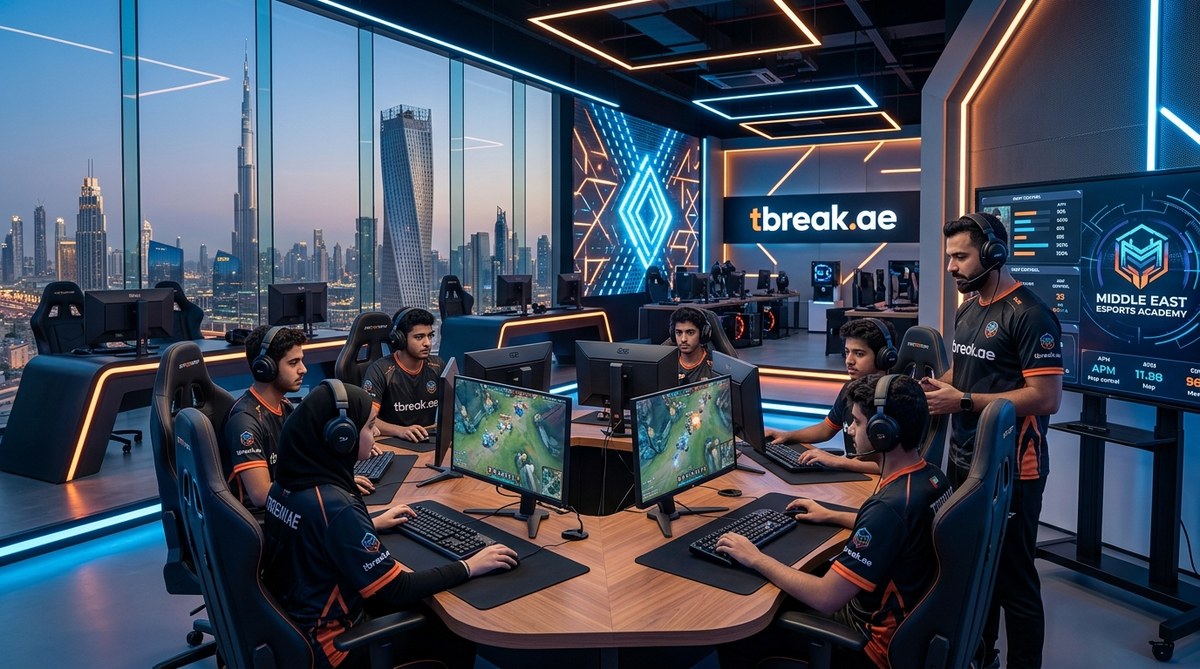
How Middle Eastern Esports Academies Are Shaping the Future of Competitive Gaming
Picture this: A 16-year-old in Riyadh logs off after a three-hour Valorant scrim. Instead of booting up another solo queue, she reviews her VOD with a certified coach who broke down her crosshair placement and utility usage. Across town, another teenager trains at a dedicated esports campus with nutritionists, sports psychologists, and a 200-seat arena. This isn’t a distant dream. It’s the reality inside Middle East esports academies in 2026.
Middle Eastern esports academies are more than expensive gaming lounges. They’re structured programs blending pro-level coaching, mental performance training, and regional tournament pipelines. From Abu Dhabi’s state-backed institutes to Dubai’s private academies, these institutions are turning raw talent into world-class players while creating new career paths in Game design, event management, and shoutcasting. The region’s investment is already producing international contenders.
What Sets Middle East Esports Academies Apart?
The Middle East has poured billions into gaming infrastructure, but hardware alone doesn’t build champions. What truly differentiates these academies is a holistic approach that mirrors traditional sports academies.
Take the example of True Gamers Academy in Dubai. Their curriculum isn’t just about aim training. Players study game theory, communication drills, and even media training for interviews. Saudi Arabia’s Crown Prince-backed Gaming and Esports Academy operates inside the King Abdullah Financial District, offering players access to Olympic-level facilities including recovery rooms and thermal chambers.
“The difference between a good player and a pro is rarely mechanical skill. It’s decision-making under pressure, team chemistry, and mental endurance. Our academies teach those invisible skills first.” — Ahmed Al-Rashid, Director of Player Development at a Riyadh-based esports center
A key feature is the integration of local tournament ecosystems. Many academies run their own weekly leagues where players earn ranking points that feed into national qualifiers. This creates a clear ladder from academy scrims to major events like the Esports World Cup.
The Curriculum: Beyond Aim Training
Let’s break down what a typical week looks like for a residential student at a top regional academy.
| Component | Hours Per Week | Focus |
|---|---|---|
| Scrims & VOD Review | 20 | Team coordination, map play, opponent analysis |
| Individual Mechanics | 10 | Aim trainers, movement drills, combo practice |
| Physical & Mental Training | 6 | Nutrition, yoga, sports psychology sessions |
| Game Design & Tech | 4 | Understanding patches, hardware optimization, streaming basics |
| Media & Branding | 3 | Interview skills, social media, sponsorship etiquette |
Most academies emphasize media training because visibility matters. Players learn how to handle press conferences, build personal brands, and engage with fans. This is critical for securing sponsorships.
Step by Step: How to Join a Middle East Esports Academy
If you’re a rising star or a parent curious about the process, here’s how enrollment typically works:
- Submit a gameplay highlight reel (60 seconds max, showing clutch moments and game sense).
- Complete an online tryout in the title you main, often a 5v5 placement match with existing academy players.
- Pass a mental resilience assessment (a short interview with a sports psychologist).
- Sign an education contract that balances training hours with school or university coursework.
- Attend a two-week trial camp where coaches evaluate teamwork, coachability, and work ethic.
Academies now partner with schools to offer esports scholarships. For example, the Abu Dhabi Esports Academy (launched in 2025) works with local private schools to let students train during elective periods.
Why the Region Is Betting Big on Structured Training
Saudi Arabia’s Vision 2030 includes a specific gaming pillar that aims to create 39,000 esports jobs by 2030. The UAE’s Dubai Metaverse Strategy also funnels resources into gaming. This isn’t just about trophies. It’s about building an entire industry ecosystem.
Structured academies produce more than players. They train:
- Coaches who understand regional playstyles (for example, the aggressive roam-heavy meta in GCC servers)
- Analysts who can break down replays with AI tools
- Event managers who know how to run grassroots tournaments in local community centers
- Shoutcasters fluent in Arabic and English who can bridge regional and global audiences
These career pipelines are essential for the sustainability of the scene. As noted in our analysis of how middle eastern esports teams are competing on the global stage in 2026, many academies now have sister organizations that feed directly into pro teams.
Common Mistakes Aspiring Players Make (And How Academies Fix Them)
Even talented hopefuls fall into traps. Here’s a table of frequent errors and how formal training addresses them.
| Mistake | What Good Academies Teach |
|---|---|
| Grinding 10+ hours solo without rest | Scheduled breaks and sleep hygiene are mandatory |
| Ignoring team communication | After-action reviews focus on callouts and positivity |
| Skipping physical activity | Mandatory gym sessions reduce injury risks |
| Chasing mechanical skill only | Decision-making drills under stress conditions |
| Neglecting mental health | Weekly check-ins with counselors normalize burnout talk |
The Tech and Gear Advantage
Academies don’t just teach. They equip. Students at the Al Shafar Esports Academy in Dubai train on high-refresh-rate monitors custom-calibrated for low ambient light, mechanical keyboards with linear switches suited for the region’s warmer climate, and noise-cancelling headsets that survive desert heat. Many academies partner with tech brands to offer students discounts on gear. If you’re looking to upgrade your own setup, check out our picks for the 10 best gaming laptops available in the UAE and Saudi Arabia right now.
The Rise of Specialized Pathways
Not every academy focuses on PC shooters. Mobile esports dominates the Middle East, especially titles like PUBG Mobile and Brawl Stars. Dedicated mobile gaming academies now exist in Sharjah and Doha, teaching touch-screen precision, aim assist techniques, and squad rotations for mobile battle royales.
Other academies specialize in fighting games (like Tekken and Street Fighter), offering frame-by-frame analysis and lab drills for combos. This specialization helps players who don’t fit the traditional FPS or MOBA mold.
What Does the Future Hold?
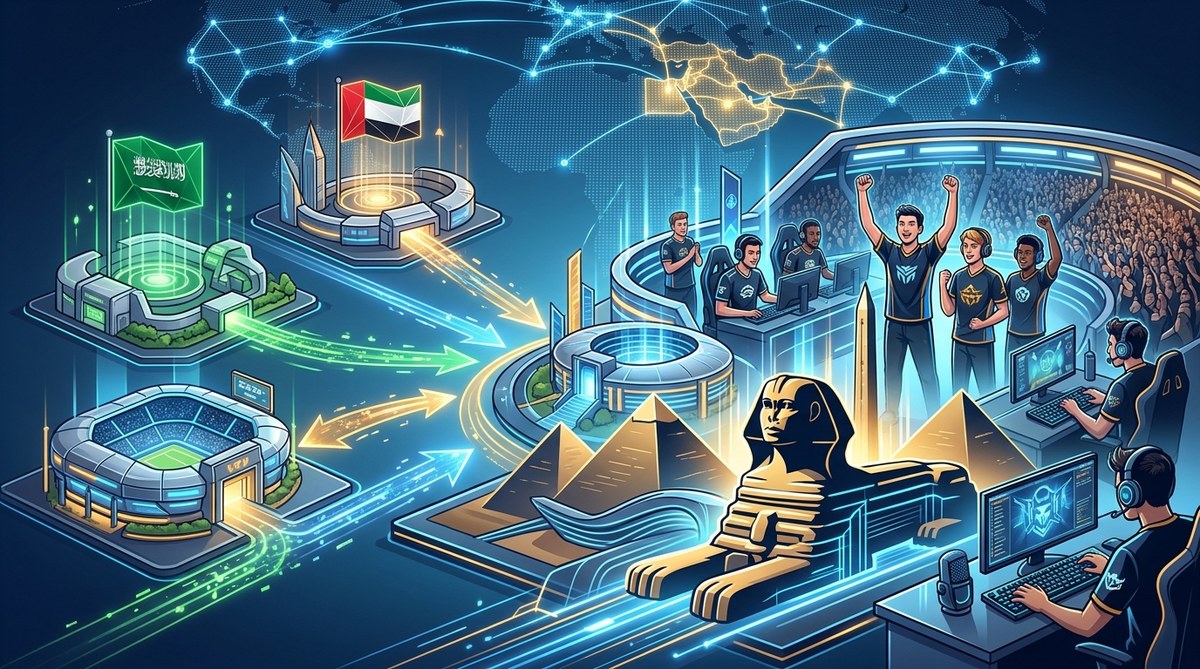
The next wave of Middle East esports academies is likely to move beyond cities. We’re already seeing online-only academies that serve players across Egypt, Jordan, and Oman. These remote programs use cloud-based VOD platforms and scheduled group coaching calls.
Another trend: university integration. Several UAE universities now offer esports management degrees that include an academy track. Students earn academic credits while training. This is a huge step toward legitimizing gaming as a career path in a region that still carries certain stigmas around gaming.
For more details on the financial side, read our guide on what does it take to become a professional esports player in the UAE. It breaks down the actual earnings and costs involved.
A Game Plan for Anyone Interested
Whether you’re a player looking to go pro, a parent wanting structure, or a professional curious about the region’s impact on global esports, Middle East esports academies offer a concrete path. They combine modern coaching methods, regional tournament infrastructure, and career development that goes beyond the game itself.
Start by researching which academy matches your title of choice and your schedule. Most offer free trial days or online consultations. The barrier to entry is lower than ever. Take that first step. You might just find your future teammates waiting in a Riyadh or Dubai training room, headsets on, ready to compete.

Post Comment