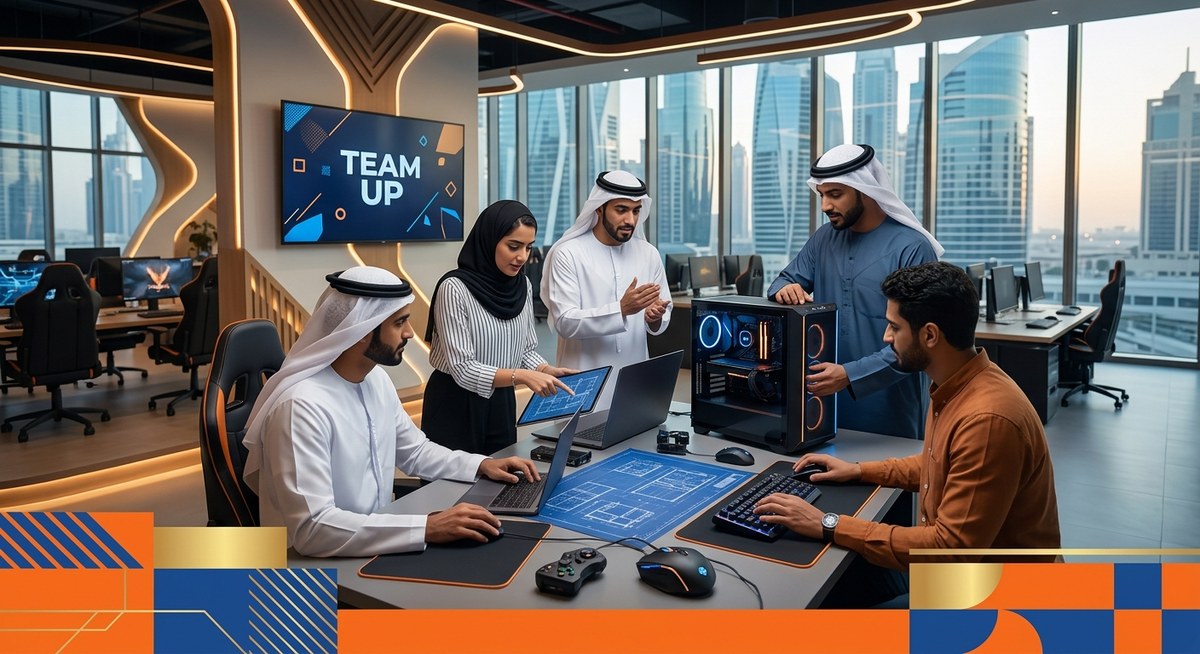
How to Start Your Own Esports Team in the Middle East from Scratch
The Middle East is no longer just a region that watches esports from the sidelines. With Saudi Arabia’s Vision 2030 pouring billions into the gaming sector, the UAE hosting world-class tournaments, and a young population that lives and breathes competitive gaming, the timing has never been better to build something of your own. You have the passion. You have the regional knowledge. Now you need a plan that turns that energy into a real, functioning esports organization.
Starting an esports team in the Middle East in 2026 requires a clear niche, a realistic budget, and strong local partnerships. Begin by picking one game title and recruiting players from regional leaderboards. Register your business in a free zone like Dubai or a Saudi hub. Secure early sponsors by offering social media exposure. Build a fanbase through local tournaments and Arabic content. Avoid overpaying for talent and overspending on gear before you have revenue.
Why the Middle East Is the Best Place to Start an Esports Team Right Now
The numbers are hard to ignore. The Middle East and North Africa gaming market is projected to surpass $6 billion in 2026. Saudi Arabia alone has committed $38 billion through its Public Investment Fund to make the country a global gaming hub. The UAE has purpose-built esports arenas in Dubai and Abu Dhabi. Qatar is building infrastructure after the FIFA World Cup momentum. Governments actually want you to succeed here.
This is not a niche hobby anymore. It is a legitimate career path. More than 65% of the population in the Gulf states plays video games regularly. That is a massive talent pool to recruit from. And because the regional esports scene is still growing, there is room for new organizations to establish themselves before the market gets saturated.
Step 1: Define Your Niche and Choose the Right Game
You cannot compete in every title from day one. That is a mistake many new teams make. Spread too thin, and you will have mediocre results across the board. Instead, pick one game where you can realistically build a top-tier roster.
The most popular esports titles in the Middle East right now include:
- Valorant: Massive following in Saudi Arabia and the UAE. Frequent regional tournaments.
- PUBG Mobile: Dominates mobile gaming in the region. Huge prize pools.
- League of Legends: Strong competitive scene with dedicated fans.
- Counter-Strike 2: Classic title with a loyal player base in the Gulf.
- Fortnite: Younger audience, but very active in Egypt and the Levant.
- Street Fighter 6: Fighting games have a passionate niche community.
Your choice should match your personal knowledge. If you understand Valorant mechanics deeply, go with Valorant. If you have connections in the PUBG Mobile scene, lean into that. Being a specialist is better than being a generalist when you start an esports team in the Middle East.
Step 2: Build Your Roster the Smart Way
Recruiting players is the most exciting and most dangerous part of building a team. It is easy to overpay for big names or get attached to friends who cannot perform under pressure. Use a system instead.
Here is a practical process for finding and signing players:
- Scan regional leaderboards and ranked ladders for your chosen game. Look for players with high win rates and good communication skills.
- Run open tryouts through Discord or local gaming cafes. Record every match for review.
- Check their competitive history. Have they played in any GCC tournaments before? Do they have a clean reputation?
- Offer a trial period of 30 to 60 days. Do not sign long contracts upfront.
- Use a standard player agreement that covers hours, streaming rights, and behavior policies.
| What to Look For | What to Avoid |
|---|---|
| High mechanical skill and game sense | Players with toxic chat history |
| Good communication in English or Arabic | Those who miss practices often |
| Previous tournament experience | Players who demand huge salaries without results |
| Willingness to relocate or travel | People with no competitive drive |
| Positive attitude under pressure | Individuals who blame teammates constantly |
A common mistake is signing players who are popular on social media but average in competition. Social media presence helps with sponsors, but winning is what builds a lasting team. Balance the two carefully.
“The best players in the Middle East are often hidden in local leaderboards, not in the spotlight. Go find them before the big orgs do.” — Ahmad Al-Rashid, former manager of a top MENA esports team
Step 3: Register Your Team as a Legal Business
You cannot operate an esports team as a casual hobby if you want sponsors to take you seriously. You need a legal entity. In the Middle East, the process depends on where you are based.
For the UAE, Dubai’s media free zones are the most straightforward option. Dubai Multi Commodities Centre (DMCC) and Dubai Internet City (DIC) both offer licenses that cover gaming and esports activities. The cost ranges from 15,000 to 30,000 AED per year depending on the package. You get a visa, a bank account, and a legal structure that impresses potential partners.
In Saudi Arabia, you can register as a Sole Establishment or a Limited Liability Company (LLC). The Ministry of Commerce and the Saudi Arabian Federation for Electronic and Intellectual Sports (SAFEIS) both provide guidance. Saudi Arabia also offers incentives for gaming startups, including reduced licensing fees for the first two years.
In Qatar and Bahrain, the free zone options are similar. Bahrain’s esports ecosystem is smaller but growing, and the costs are lower than in Dubai.
Make sure your business registration includes these keywords in the description: “esports management,” “competitive gaming,” and “tournament organization.” This makes it easier when applying for sponsorships and partnerships.
Step 4: Secure Funding and Sponsorships
Sponsorship is the lifeblood of any esports team. In the Middle East, the sponsor landscape is unique. You have large telecom companies (STC, Etisalat, Zain), hardware brands (ASUS ROG, Logitech, Razer), energy drinks (Red Bull, Monster), and government-backed initiatives looking for teams to support.
Here is a list of potential sponsor types and how to approach them:
- Telecom providers: They want to associate with youth and innovation. Offer branded content and shoutouts during streams.
- Hardware companies: They need product placement. Use their gear in your bootcamps and tournaments.
- Energy drink brands: They value visibility at live events. Wear their logos on your jerseys.
- Government tourism boards: Cities like Riyadh and Abu Dhabi want to be seen as gaming destinations. Pitch your team as ambassadors.
- Local businesses: Restaurants, malls, and retail chains in the UAE and Saudi Arabia are starting to see esports as a marketing channel.
Create a sponsorship deck that includes your team’s mission, your audience demographics (age, location, interests), your social media reach, and past achievements. Be honest if you are just starting out. Offer micro-sponsorships at lower rates to get your first logos on your jerseys.
Step 5: Set Up Your Training Facility and Gear
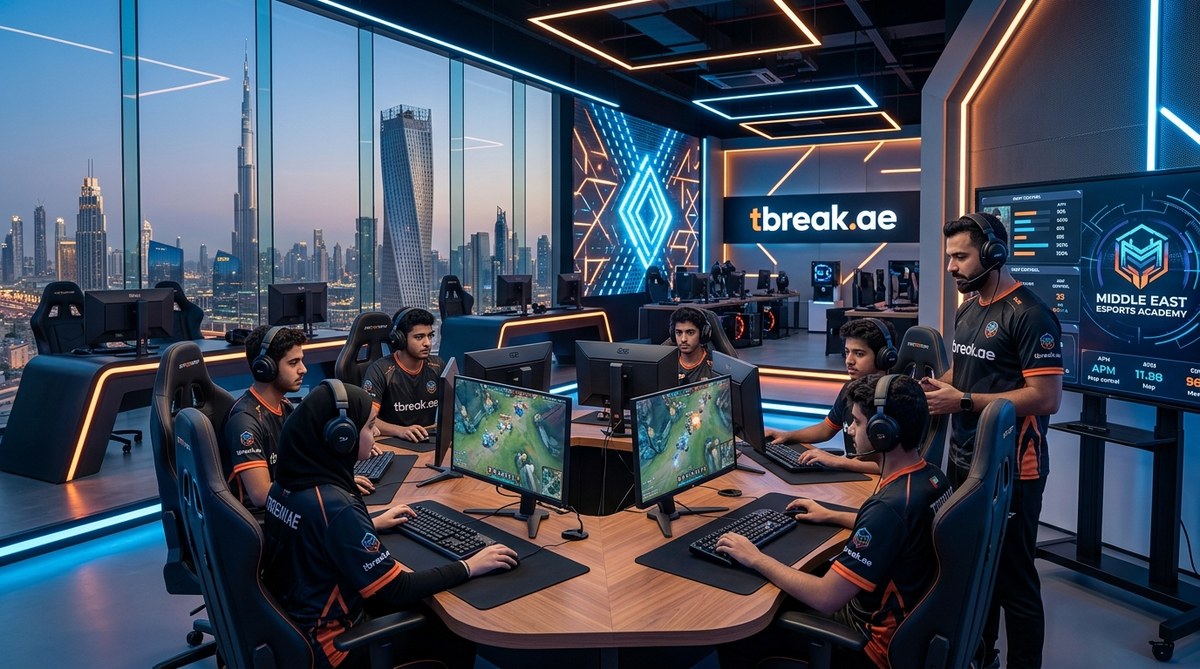
You do not need a fancy gaming house on day one. Many successful Middle Eastern teams started by practicing online from their own homes. But as you grow, a shared space becomes important for team chemistry and consistency.
A basic training setup should include:
- High-performance gaming PCs or consoles depending on your title
- Low-latency internet connection (fiber optic, at least 200 Mbps)
- Ergonomic chairs and desks for long practice sessions
- Noise-cancelling headsets for communication
- A small streaming setup if you plan to broadcast scrims
If you are working with a tight budget, look at refurbished gear from reliable sources. You can find quality used equipment from regional tech marketplaces. Just make sure the cooling systems are strong enough for Middle Eastern summers. Overheating is a real issue during July and August.
For the best value on new gaming laptops and peripherals, check our guide on the best gaming laptops under 5000 AED available in UAE and Saudi Arabia. It will save you from overpaying for hardware you do not need.
Step 6: Build Your Brand and Audience
A team without fans is just a group of players. In 2026, social media presence is a key asset for any esports organization. Your brand should feel authentic to the Middle East. Use Arabic in your posts. Reference local memes and cultural moments. Show your players’ personalities.
Start with these platforms:
- YouTube: Upload match highlights, vlogs, and tutorials in Arabic and English.
- TikTok: Short clips of funny moments, wins, and behind-the-scenes content.
- Discord: Build a community where fans can talk to players directly.
- Twitch or YouTube Gaming: Stream your practices and tournaments live.
Consistency matters more than polish when you begin. Post three times a week on YouTube Shorts or TikTok. Go live once a week on Twitch. Engage with every comment. Your first 1,000 followers will be your most loyal supporters, and they will help you grow organically.
Step 7: Enter Regional Tournaments and Build a Track Record
You cannot prove your team’s value without results. Start with smaller regional tournaments to build a reputation. The Middle East has a growing calendar of competitions, from grassroots events to major LANs.
Some tournaments to target in 2026:
- Gamers8 in Riyadh: One of the biggest esports festivals globally with multi-million dollar prize pools.
- Dubai Esports Festival: A well-organized event with multiple game titles.
- Arab Esports Cup: Regional competition featuring teams from across the Arab world.
- Local LANs in gaming cafes: These are great for testing your lineup against real opponents.
Winning a smaller tournament is worth more than finishing last in a major one. Build a trophy case, even if it starts with local wins. Every victory gives you more leverage when talking to sponsors and recruiting better players.
If you want to compare performance across different titles, read our analysis on why mobile esports dominates the Middle East while PC gaming struggles. It will help you decide where to focus your resources.
Common Mistakes That Sink New Esports Teams
Most teams in the Middle East fail within the first year because of avoidable errors. Here are the biggest ones to watch for:
- Overpaying for players: Young talent often accepts lower salaries in exchange for exposure and tournament winnings. Do not blow your budget on one star player.
- Ignoring contracts: Verbal agreements lead to disputes. Always put terms in writing.
- Skipping marketing: You can have the best team in the region, but if nobody knows about you, sponsors will not care.
- Burning bridges: The esports community in the Middle East is small. Treat players, organizers, and other teams with respect.
- Expanding too fast: Master one game and one team before adding a second roster.
Your First 90 Days: A Practical Timeline
Use this timeline to stay on track when you launch your team in 2026.
- Week 1 to 2: Choose your game title. Research the competitive scene. Identify top players in your region.
- Week 3 to 4: Register your business. Open a dedicated bank account. Set up basic social media pages.
- Week 5 to 6: Run tryouts. Sign your first three to five players on trial contracts.
- Week 7 to 8: Secure your first micro-sponsorship. Announce the roster publicly.
- Week 9 to 10: Join a local tournament. Stream your matches. Collect feedback.
- Week 11 to 12: Review performance. Adjust your roster if needed. Plan for the next competition.
Building for the Long Term
The teams that succeed in the Middle East are the ones that treat esports as a real business, not a hobby. That means keeping clean financial records, investing in your players’ wellbeing, and staying patient when results do not come overnight.
If you are serious about this path, take the first step today. Pick the game you know best. Reach out to one player on the ranked leaderboard. Have an honest conversation about what you want to build. The Middle East is waiting for the next great esports story. There is no reason it cannot be yours.

Post Comment