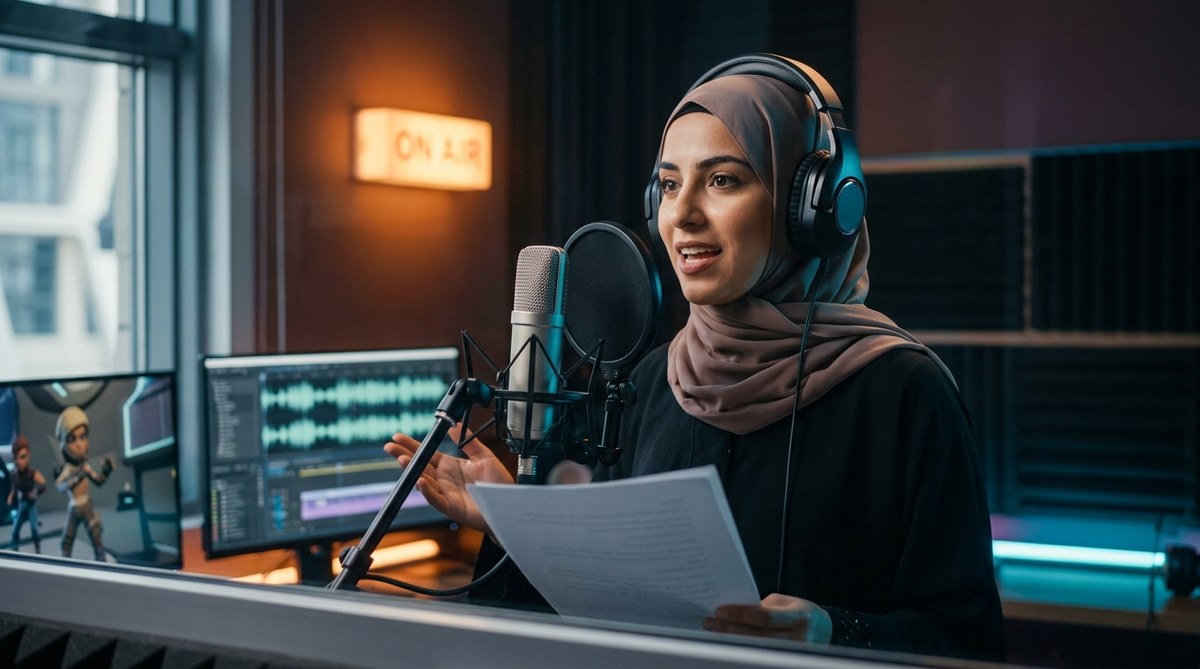
Why Arabic Voice Acting Is Becoming a Game-Changer for Regional Players
For years, Middle Eastern gamers had to accept English audio or, at best, subtitles in their native language. That era is ending. In 2026, major studios like Ubisoft, Sony, and local indie developers are investing heavily in Arabic voice acting, not as an afterthought but as a core feature. The result is a deeper emotional connection between players and their virtual worlds. When a character in Assassin’s Creed Mirage speaks in a familiar dialect, it does more than translate words. It validates the player’s culture and makes the experience feel truly personal.
Arabic voice acting is no longer a niche add on. It has become a critical factor for game sales and player retention in the Middle East and North Africa. Studios that invest in regional dialects and high quality casting see stronger engagement, higher revenue, and real cultural goodwill from a market now exceeding $2 billion annually.
Why Arabic Voice Acting Matters Now More Than Ever
The Middle East gaming market is growing faster than almost any other region. According to recent reports, the MENA gaming audience will surpass 100 million active players by the end of 2026. These players are not just casual mobile gamers. They are console and PC enthusiasts who spend heavily on AAA titles. Yet until a few years ago, full Arabic voice localization was rare. Most games offered only English or French audio with Arabic subtitles. That gap created a subtle wall between the player and the story.
Now, developers realize that language is a bridge. When a character in a game like Ghost of Tsushima or Horizon Forbidden West speaks in a Saudi or Egyptian dialect, it signals respect for the audience. It tells players that the studio sees them as equals, not an afterthought. The result is higher day one sales, longer play sessions, and more word of mouth within local communities.
The Demand for Authentic Regional Voices
One size does not fit all in the Arab world. A gamer in Cairo wants to hear Egyptian Arabic. A player in Riyadh prefers the Gulf dialect. Meanwhile, a Lebanese or Syrian gamer responds best to Levantine tones. Smart studios now cast separate voice actors for different versions of a game rather than using one generic “Arabic” dub. This approach is expensive but pays off.
A recent title that did this well was Assassin’s Creed Mirage. Ubisoft recorded two distinct Arabic voice tracks: one in Modern Standard Arabic for clarity and one in a Gulf dialect for regional flavor. The move was praised across social media and pushed the game to record sales in the GCC.
What Players Actually Prefer
- Modern Standard Arabic (MSA): Works well for fantasy, sci-fi, or historical settings where formal speech fits the tone.
- Dialectal Arabic (Egyptian, Gulf, Levantine): Essential for contemporary stories and open world games where realism matters.
- Mixed approach: Some games use MSA for narration and dialect for dialogue, blending clarity with authenticity.
How Studios Are Approaching Arabic Localization
The best Arabic voice acting does not happen by accident. It requires a careful process that starts during preproduction, not post production. Developers now hire cultural consultants to review scripts for idioms, jokes, and cultural references that do not translate directly. A literal translation can feel flat or even offensive.
Three key steps define a successful localization pipeline:
- Script adaptation by native speakers. The translator must understand both the game’s lore and the target audience’s cultural mindset. For example, a pun about a camel in a racing game works in the Gulf but might confuse a Moroccan player. The adaptation team rewrites such moments to preserve humor without losing meaning.
- Casting voice actors from the region. Using a Lebanese actor to voice a Saudi character can break immersion. Studios now hold auditions across multiple countries to find the right accent and tone. This includes casting children for younger roles, not reducing adult voices to sound younger.
- Direction and recording in local studios. Sending actors to a London studio for a single session often results in tired, unnatural delivery. Regional recording studios in Dubai, Cairo, and Riyadh allow actors to work in their own time zone and comfort zone. This improves performance quality.
Common Mistakes in Arabic Dubbing (and How to Avoid Them)
Not all Arabic voice acting is good. Some major releases have suffered from poorly synchronized lips, mismatched emotional tones, or awkward phrasing. The table below outlines common pitfalls and their solutions.
| Mistake | Why It Hurts | How to Fix It |
|---|---|---|
| Using only Modern Standard Arabic for all characters | Sounds robotic and unnatural for everyday dialogue | Use dialect for casual scenes, MSA for formal or ancient settings |
| Translating idioms literally | Confuses players and kills humor | Replace with culturally equivalent expressions |
| Ignoring lip sync differences | Lip movements and audio misalign, breaking immersion | Adjust script timing and re record until sync matches |
| Casting non native actors for regional roles | Accents feel fake and offend native speakers | Hire actors from the specific country or dialect region |
| Rushing the recording schedule | Performances sound flat or rushed | Allow extra days for retakes and emotional takes |
“The worst thing a studio can do is treat Arabic dubbing as a checkbox. Players hear the difference between love and obligation in every line.” – Hala Khouri, lead localization producer at a Riyadh based studio.
A Step-by-Step Process for Bringing Arabic Voice Acting to Your Game
If you are a developer or publisher planning to add Arabic voice acting in 2026, follow this numbered process to ensure quality.
- Hire a cultural consultant before writing the English script. Many issues start when the English script contains references that are hard to localize. A consultant can flag these early.
- Create a style guide for the Arabic version. Decide on the dialect mix, formality level, and pronunciation rules for names and places.
- Translate and adapt the script in house or with a trusted partner. Do not rely on machine translation for dialogue. Use human translators who understand gaming terminology.
- Cast voice actors through open auditions in the target region. Post casting calls on social media and in local acting networks. Listen to demo reels carefully.
- Record in a studio with a director who speaks the dialect. The director should be a native speaker who can coach emotional delivery.
- Integrate audio early and test with focus groups. Play the Arabic version for players from the target country. Gather feedback on accent, lip sync, and emotional tone.
- Patch in improvements post launch. Even major studios miss details. A second pass after player feedback can elevate the final product.
The Role of Technology in Arabic Voice Casting
Technology is making Arabic localization more accessible. AI powered tools can now analyze voice recordings to check for dialect consistency and emotional range. However, human actors remain irreplaceable for conveying subtle emotions like sarcasm, grief, or joy.
Some studios use remote recording setups that allow actors in different cities to record in real time with the director. This reduces travel costs while keeping the talent pool wide. For example, an actor in Alexandria can work with a studio in Dubai without leaving home.
But tech alone cannot fix a weak script or poor casting. The best results come from combining modern recording software with deep cultural knowledge.
What the Future Holds for Arabic Gaming Audio
By 2027, we will likely see Arabic voice acting become a standard feature for any AAA game targeting the MENA region. Indie studios are already leading the way. Several games developed in the Middle East now feature fully voiced Arabic dialogue with multiple dialect options. Titles like The Last of Us Part I and God of War Ragnarok are rumored to be adding Arabic dubbing in future updates.
The growth of esports and live service games also drives demand. Players want their in game announcers, character voices, and even menu sounds to speak their language. Imagine a battle royale where your squad leader shouts commands in a Gulf accent. That level of immersion builds loyalty and makes players feel at home.
Building a Stronger Connection Through Your Mother Tongue
The shift toward Arabic voice acting is not just a business trend. It is a sign that the global gaming industry finally recognizes the Middle East as a core market, not a side project. For gamers, hearing your own language in a game is a small moment of pride that strengthens your bond with the medium. For developers, it is a direct line to a passionate, fast growing audience.
If you are a player, support the games that invest in Arabic voice acting. If you are a developer, start planning your localization strategy now. The tools, talent, and demand are all in place. The only missing piece is the decision to commit.
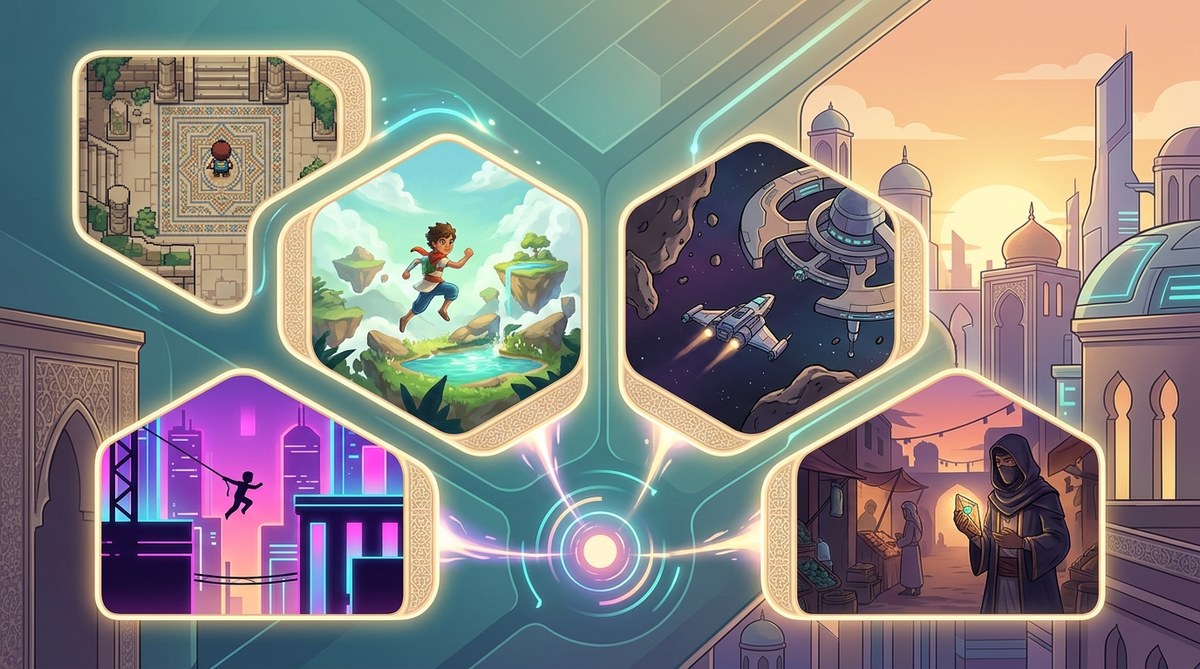
For more on how the region is shaping the global gaming landscape, check out our breakdown of why the Middle East gaming market is outpacing global growth in 2026 and a curated list of 7 Arabic language games that celebrate Middle Eastern culture and stories. Those titles prove that when developers respect the audience, everyone wins.

Post Comment