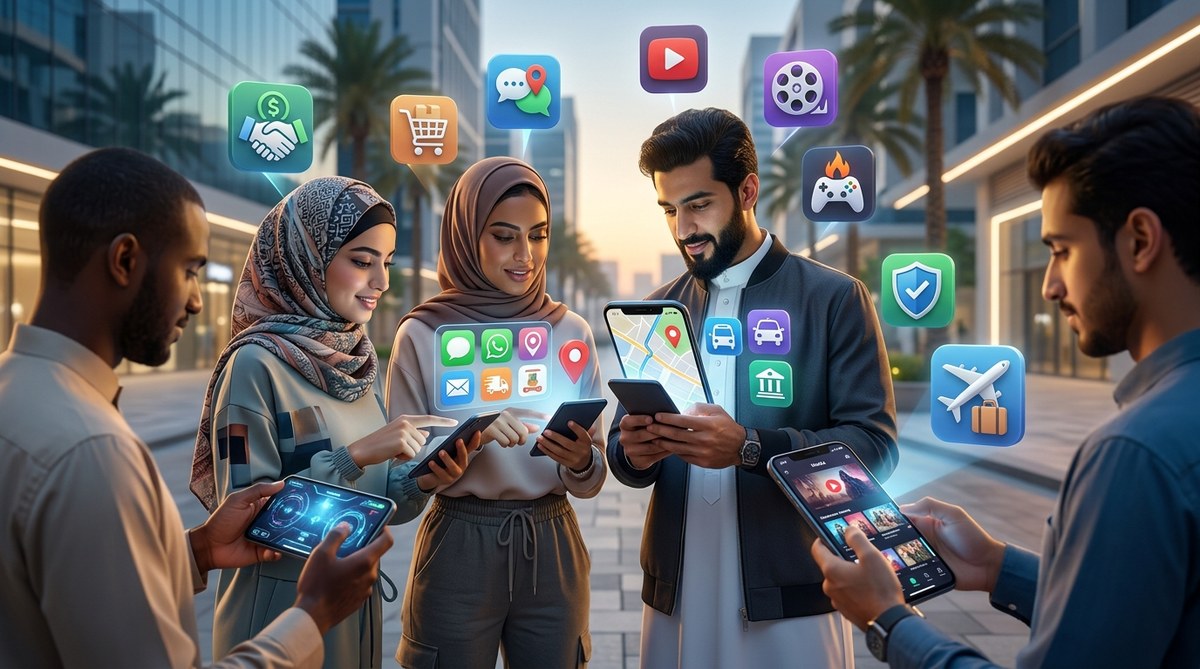
Top 7 Mobile Apps Every Middle East Resident Downloaded in 2026
The Middle East app ecosystem transformed dramatically in 2024. Residents across the UAE, Saudi Arabia, and neighboring countries shifted more of their daily routines onto smartphones than ever before. From ordering groceries at midnight to transferring money across borders in seconds, mobile apps became the backbone of modern life in the region.
The most downloaded apps Middle East 2024 include TikTok, WhatsApp, Telegram, Instagram, Careem, Talabat, and Noon. These platforms dominated downloads by solving everyday needs like communication, transportation, food delivery, and shopping. Digital payment apps like Tabby and banking solutions also saw massive growth as cashless transactions became standard across the region.
Why 2024 Became the Year of Apps in the Middle East
Several factors pushed app downloads to record highs this year. Government digital transformation initiatives accelerated across Gulf countries. Saudi Vision 2030 programs encouraged cashless payments and online services. The UAE continued building its smart city infrastructure.
Young demographics played a massive role. Over 60% of the Middle East population sits under 30 years old. This tech native generation prefers apps over traditional services for nearly everything.
Internet penetration reached new peaks. Mobile data costs dropped while 5G networks expanded across major cities. Faster speeds made video streaming, gaming, and live shopping experiences smoother than before.
The region also saw a boom in localized apps. International platforms adapted their features for Arabic speakers and regional preferences. Local startups built solutions specifically for Middle Eastern lifestyles and regulations.
Top 7 Most Downloaded Apps Middle East 2024
Here’s what residents actually installed on their phones this year:
1. TikTok
Short form video content exploded across the region. TikTok dominated entertainment downloads in every Gulf country. Local creators built massive followings sharing everything from comedy sketches to cooking tutorials.
The platform became a discovery engine for restaurants, fashion brands, and local businesses. Many small shops gained their first customers through viral TikTok videos. The algorithm’s ability to surface content in Arabic helped regional creators compete globally.
2. WhatsApp
Communication still rules download charts. WhatsApp remained the default messaging app for families, businesses, and social groups. The platform’s end to end encryption appealed to privacy conscious users.
Business accounts grew significantly. Small retailers used WhatsApp catalogs to showcase products. Customer service shifted to chat based support. Voice and video calls replaced expensive international calling for expat communities.
3. Telegram
Privacy focused users flocked to Telegram in 2024. The app’s large group capacity made it popular for community organizing and interest based channels. News outlets, crypto communities, and educational groups built audiences through Telegram channels.
File sharing capabilities exceeded WhatsApp’s limits. Users shared high quality videos, large documents, and media files without compression. The self destructing message feature attracted users wanting temporary conversations.
4. Instagram
Visual storytelling kept Instagram in top download positions. Reels competed directly with TikTok for short video attention. Shopping features turned the platform into a discovery and purchase channel for fashion and lifestyle brands.
Influencer marketing reached new sophistication levels. Brands partnered with regional creators for authentic product promotions. Instagram Live shopping events became regular occurrences for beauty and fashion retailers.
5. Careem
Ride hailing remained essential for daily transportation. Careem’s super app strategy expanded beyond rides into food delivery, payments, and services. The platform’s regional roots gave it advantages over international competitors in understanding local needs.
The app added features specific to Middle Eastern users. Gender preference options for drivers, prayer time notifications, and Arabic language support made the experience feel locally tailored. Careem Pay grew as a digital wallet option.
6. Talabat
Food delivery apps became kitchen staples. Talabat led downloads across Kuwait, UAE, and other Gulf markets. Restaurant variety expanded to include cloud kitchens and virtual brands available only through delivery apps.
Grocery delivery features turned the app into a daily necessity. Users ordered everything from fresh produce to household items. Subscription programs offering free delivery changed how families planned their shopping.
7. Noon
E commerce apps challenged traditional retail. Noon competed aggressively with Amazon for Middle Eastern shoppers. Local inventory, faster delivery times, and region specific product selections drove downloads.
Daily deals and flash sales created shopping urgency. The app’s integration with Noon Pay offered buy now pay later options. Express delivery in major cities promised orders within hours, not days.
Categories That Dominated Downloads
Breaking down app types reveals what mattered most to users:
| Category | Top Apps | Why They Grew |
|---|---|---|
| Social Media | TikTok, Instagram, Snapchat | Video content consumption increased 200% |
| Messaging | WhatsApp, Telegram | Essential for personal and business communication |
| Food Delivery | Talabat, Deliveroo, Careem | Convenience became expected, not luxury |
| E commerce | Noon, Amazon, Shein | Price competition and faster delivery times |
| Finance | Tabby, Tamara, Al Rajhi | Buy now pay later adoption surged |
| Transportation | Careem, Uber | Public transit gaps in many cities |
| Entertainment | Netflix, Shahid, OSN | Arabic content libraries expanded significantly |
Financial Apps Changed How People Pay
Digital payment solutions saw explosive growth in 2024. Buy now pay later services like Tabby and Tamara became mainstream payment options at checkout. Young professionals used these apps to manage cash flow for larger purchases.
Banking apps modernized rapidly. Traditional banks launched redesigned mobile experiences to compete with fintech startups. Features like instant transfers, digital cards, and investment options moved from web to mobile first.
“The shift to mobile payments in the Middle East happened faster than anywhere else I’ve seen. What took Europe five years happened here in 18 months.” – Regional fintech analyst speaking at a Dubai conference in 2024.
Digital wallets gained traction beyond early adopters. Apps like Careem Pay and Noon Pay bundled payments with loyalty rewards. Government services accepting digital payments pushed older demographics to adopt mobile banking.
Remittance apps served massive expat populations. Workers sending money home compared rates across multiple apps before transferring. Competition drove fees down and transfer speeds up.
Entertainment Apps Filled Commute Time
Streaming services competed for screen time. Netflix expanded its Arabic content library with regional productions. Shahid positioned itself as the home for Arabic series and Gulf specific entertainment.
Gaming apps saw downloads spike during summer months. Mobile versions of popular titles attracted players who couldn’t invest in gaming hardware. For those wanting more power, options like [best gaming laptops under 5000 AED available in UAE and Saudi https://tbreak.ae/best-gaming-laptops-under-5000-aed-available-in-uae-and-saudi-arabia/) provided affordable alternatives for serious gamers.
Podcast apps grew as Arabic content increased. Platforms like Anghami added podcast features to music streaming. Educational content, comedy shows, and news analysis found dedicated audiences.
How Residents Actually Use These Apps Daily
Morning routines start with news and social media checks. Users scroll Instagram and TikTok over breakfast. WhatsApp messages pile up overnight from family in different time zones.
Commutes involve entertainment consumption. Netflix downloads watched on metro rides. Podcasts fill car time stuck in traffic. Gaming apps occupy waiting room minutes.
Lunch decisions happen through food delivery apps. Colleagues share Talabat group orders. Solo workers browse restaurant ratings before choosing meals.
Evening shopping happens from couches. Noon and other e commerce apps replace mall visits. Users compare prices across multiple platforms before purchasing.
Late night conversations continue on messaging apps. Video calls connect families across countries. Group chats plan weekend activities and share memes.
What Made These Apps Win Downloads
Several factors separated winners from forgotten apps:
- Arabic language support that felt natural, not translated
- Local payment methods including cash on delivery options
- Regional customer service available during Gulf business hours
- Cultural awareness in features and marketing approaches
- Fast delivery times that matched user expectations
- Competitive pricing adjusted for local purchasing power
Apps that treated the Middle East as an afterthought struggled. Those building regional teams and customizing experiences dominated downloads.
Practical Steps to Get the Most From Popular Apps
- Set up two factor authentication on messaging and financial apps immediately
- Enable Arabic language options if that’s your preference for better experience
- Compare prices across multiple shopping apps before major purchases
- Use buy now pay later responsibly by tracking payment schedules
- Take advantage of new user promotions across food delivery platforms
- Link payment methods to avoid entering card details repeatedly
- Subscribe to delivery passes only if you order frequently enough to break even
Security Became a Download Decision Factor
Users grew more cautious about permissions. Apps requesting unnecessary access to contacts or location faced skepticism. Privacy focused alternatives gained downloads from security conscious users.
Data localization requirements affected app operations. Some international apps built regional data centers to comply with local regulations. This impacted performance and feature availability.
Scam awareness increased after high profile incidents. Users learned to verify app authenticity before downloading. Official app store ratings and review counts became decision factors.
Apps That Surprised Everyone in 2024
ChatGPT mobile apps saw unexpected adoption. Students used AI for study help. Professionals drafted emails and reports. The novelty factor drove initial downloads, but practical uses kept users engaged.
Fitness apps gained traction as health consciousness grew. Step counters, workout planners, and nutrition trackers appealed to New Year resolution makers. Many abandoned these apps by March, following global patterns.
Government service apps finally became usable. Digital ID apps, parking payment platforms, and utility management tools improved their interfaces. Residents actually preferred app experiences over website versions.
The Apps That Defined Your Year
These most downloaded apps Middle East 2024 reflect how daily life evolved across the region. Communication, convenience, and commerce moved almost entirely to mobile platforms. The apps you installed this year probably handle tasks you managed differently just 24 months ago.
Next year will bring new platforms and features. But the apps that earned downloads in 2024 did so by solving real problems for Middle Eastern users. They made life easier, faster, or more entertaining. That practical value keeps them installed long after the initial download.

Post Comment