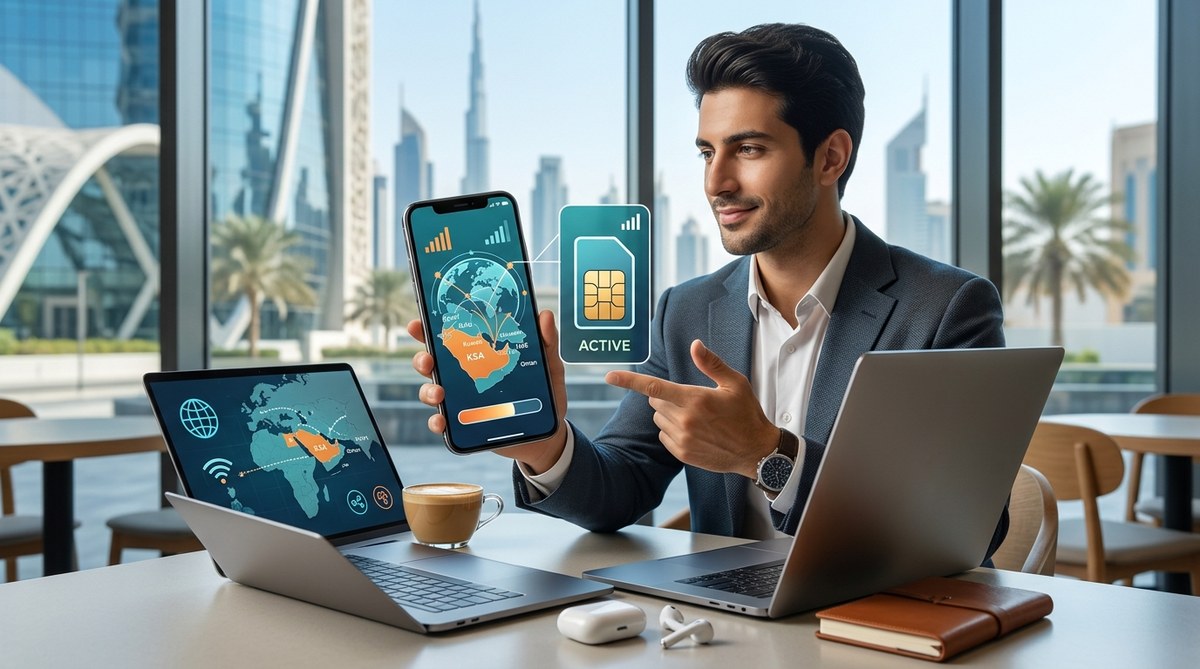
The Complete Guide to Using eSIM Technology When Traveling Between Middle East Countries
Planning a trip across the Middle East can be exciting, but staying connected often turns into a challenge. Changing SIM cards in different countries, dealing with expensive roaming fees, and finding reliable local networks can spoil the experience. Luckily, eSIM technology offers a seamless solution. With an eSIM, you can switch profiles instantly, avoid physical SIM swaps, and enjoy reliable data wherever you go. This guide walks you through everything needed to harness the power of eSIMs for your Middle East adventures.
A Middle East eSIM travel guide helps international visitors stay connected across multiple countries. It simplifies switching carriers, reduces costs, and ensures faster setup without needing physical SIM cards. Learning how to choose, activate, and manage your eSIM will make regional trips smoother and more enjoyable, saving time and avoiding connectivity headaches. Embrace this tech to stay linked effortlessly during your travels across the Middle East.
How eSIM technology transforms travel in the Middle East
eSIM, or embedded SIM, is a tiny chip built into your device that can store multiple carrier profiles. Unlike traditional SIM cards, eSIMs are remotely programmable, letting you switch networks without changing physical cards. This innovation is a game-changer for travelers in the Middle East, where visiting multiple countries often means juggling different SIM cards. With an eSIM, your smartphone can hold profiles for several regional carriers, making it easier to stay connected without hassle.
Why travelers in the Middle East are turning to eSIMs
Traveling through the Middle East involves crossing borders—each with different telecom providers and network standards. Physical SIM cards require buying new ones at each destination, which can be time-consuming and sometimes costly. Plus, local SIM shops might not always be accessible or convenient, especially during short visits.
eSIMs eliminate these issues. You can purchase a regional or global eSIM plan beforehand or upon arrival, then activate it instantly. This flexibility allows travelers to avoid roaming fees and enjoy better coverage at a fraction of the cost. Whether you’re in the bustling streets of Dubai, historic sites in Jordan, or exploring the deserts of Saudi Arabia, an eSIM keeps you seamlessly connected.
How to get started with an eSIM for Middle East trips
Follow these practical steps to set up your eSIM for regional travel:
-
Check device compatibility
Not all smartphones support eSIM technology. Devices like recent iPhones (from the XS series onward), Google Pixel 3 and later, and select Samsung Galaxy models are compatible. Verify your device’s specifications before planning your eSIM purchase. -
Choose a reputable eSIM provider
Consider regional providers like USIMS, Airalo, or Nomad, which offer tailored plans for Middle Eastern countries. Compare coverage, data plans, and prices. Some providers facilitate activation before departure, saving time upon arrival. -
Purchase your eSIM plan
Once you’ve selected a provider, buy a plan suited to your trip duration and data needs. Many platforms allow instant purchase online. Some providers also offer multi-country packages, ideal for traveling across the region. -
Activate your eSIM
Activation methods vary by device. Typically, you’ll receive a QR code or an activation code via email. Follow instructions—usually scanning the QR code or entering the code in your device settings. Make sure your device is unlocked and has the latest software updates. -
Configure your settings
After activation, you may need to select the new profile as your default data connection. Enable roaming or data switching if necessary. Test the connection immediately to ensure it works before heading out.
Best practices for smooth eSIM usage in the Middle East
- Research coverage areas before buying your plan. Confirm the provider supports all the countries you plan to visit.
- Keep a backup plan. Download offline maps and save important contacts, just in case you face connectivity issues.
- Stay updated on local regulations. Some countries have restrictions or specific requirements for mobile networks.
- Use Wi-Fi when possible. Connect to secure Wi-Fi networks at hotels or cafes to conserve data plans.
Common pitfalls and how to avoid them
| Mistake | Technique | Why it matters |
|---|---|---|
| Buying a plan without checking compatibility | Verify device compatibility beforehand | Ensures activation success and avoids wasted purchases |
| Forgetting to unlock your phone | Ensure your device isn’t carrier-locked | Locked phones can’t use eSIMs from other providers |
| Not testing the connection immediately | Test your eSIM upon activation | Detects issues early and prevents travel disruptions |
| Ignoring country coverage | Review coverage maps carefully | Prevents losing service in remote or border areas |
| Overlooking local regulations | Research regional telecom rules | Avoids potential legal issues or service bans |
Expert tip: Always keep your physical SIM card as a backup. In some cases, device limitations or regional restrictions may require you to revert to a physical SIM temporarily.
Comparing eSIM options for Middle East travel
| Provider | Coverage | Plans | Price Range | Activation Method | Notable Feature |
|---|---|---|---|---|---|
| USIMS | 17+ Middle East & Africa countries | Single and multi-country plans | From $20 | QR code, app | Instant activation, regional support |
| Airalo | Middle East, global plans | Flexible data packages | From $5 | App download | Wide coverage, easy management |
| Nomad | Middle East, Europe, Asia | Regional and global plans | From $10 | QR code | Multi-country support, user-friendly app |
Choosing the right eSIM depends on your travel itinerary, data needs, and device compatibility. For frequent travelers, investing in a multi-country plan can simplify your trips across the region. For one-off visits, a single-country plan might be more economical.
The future of eSIM travel in the Middle East
Regional telecom providers are expanding their eSIM offerings, making it easier than ever to stay connected. Governments are relaxing regulations, and more devices support eSIM technology. As 5G networks become more widespread, expect faster speeds and more reliable connections. Regional tech brands are also developing localized eSIM solutions tailored to the Middle East’s unique travel needs.
Final thoughts on making the most of eSIM technology
Adopting eSIMs for your Middle East trips transforms how you stay connected. It saves time, reduces costs, and provides peace of mind. By understanding device compatibility, choosing reliable providers, and activating your plan properly, you’ll enjoy seamless connectivity from the UAE to Jordan and beyond. Incorporate this smart tech into your travel toolkit, and experience the region without connectivity worries.
Stay connected, explore confidently in the Middle East
Traveling across the Middle East with an eSIM means less hassle and more freedom. Prepare your device before your trip, select the best plan, and activate it effortlessly. With reliable internet at your fingertips, you can navigate new cities, share your experiences instantly, and focus on making memories. Embrace this modern connectivity tool and turn travel stress into adventure. Safe journeys!

Post Comment