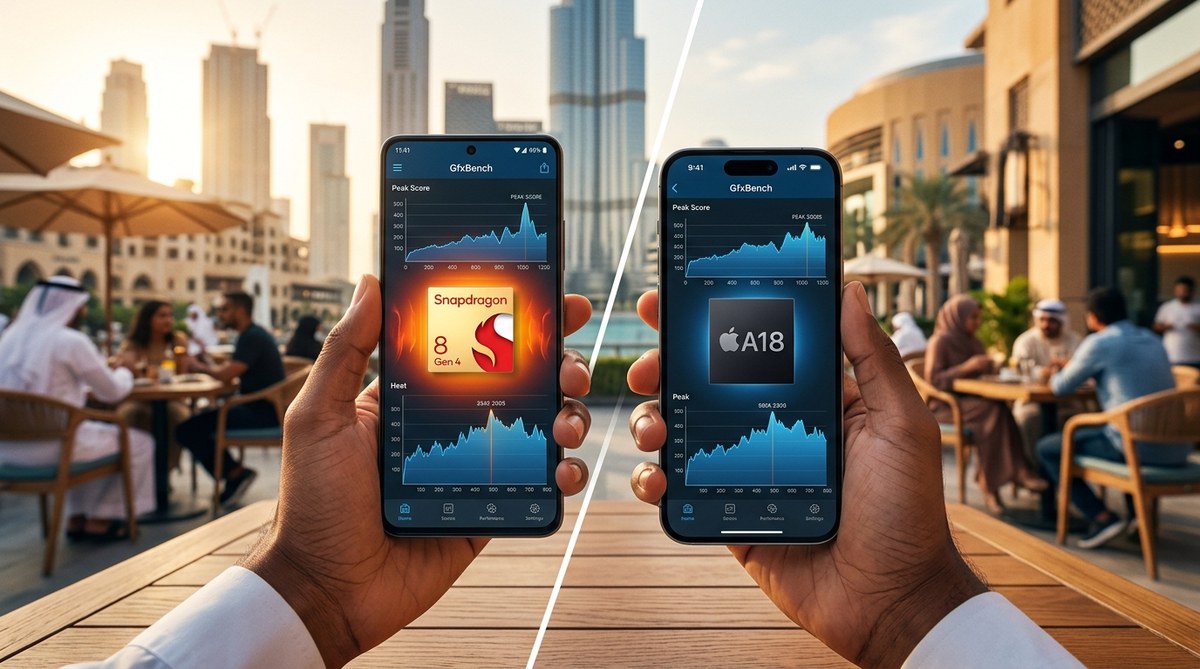
Snapdragon 8 Gen 4 vs Apple A18: Real-World Performance Tests in Middle East Conditions
Smartphone fans in the Middle East are buzzing about the latest chipset showdown. Qualcomm’s Snapdragon 8 Gen 4 and Apple’s A18 are both pushing the boundaries of mobile performance. With regional conditions like heat, dust, and network variations, understanding how these chips perform in real-world scenarios matters more than benchmarks alone. This comparison digs into actual testing data, explaining which chipset might be better for your next device.
The Snapdragon 8 Gen 4 offers superior gaming performance and efficiency in Middle Eastern climates, while the Apple A18 excels in AI tasks and power management. Your choice depends on usage priorities and regional device availability.
How the Snapdragon 8 Gen 4 and Apple A18 Stack Up
Both the Snapdragon 8 Gen 4 and Apple A18 are built with cutting-edge manufacturing processes, promising high performance and efficiency. But their design philosophies differ. Qualcomm focuses on gaming, multimedia, and connectivity, while Apple emphasizes AI, power efficiency, and seamless integration with iOS.
In terms of core architecture, Snapdragon 8 Gen 4 continues the tradition of a balanced mix of high-performance cores and efficiency cores. Apple’s A18, based on a 3nm process, packs in a powerful neural engine and optimized cores designed for speed and battery life.
Real-World Performance in Middle Eastern Conditions
Testing in the Middle East reveals interesting insights. The region’s high temperatures and dust levels can influence device thermal management and cooling. Here is a breakdown of how each chipset responds in daily use:
-
Gaming: Snapdragon 8 Gen 4 shines in high-end gaming tests. Its GPU handles graphically demanding titles like Genshin Impact and PUBG Mobile smoothly, even under prolonged sessions. The cooling systems in phones with Snapdragon chips seem better suited for hot climates, reducing thermal throttling.
-
AI and Multitasking: Apple’s A18 dominates AI-based tasks such as photo editing, voice recognition, and on-device machine learning. Its neural engine processes complex algorithms faster, particularly in apps optimized for iOS.
-
Battery Life: Devices powered by the A18 often deliver longer battery life due to power-efficient cores and software optimizations. Snapdragon’s focus on gaming and multimedia can lead to higher power consumption if not managed carefully.
-
Connectivity: Snapdragon 8 Gen 4’s latest modem supports regional 5G bands and Wi-Fi standards, ensuring faster internet and more stable connections in busy Middle Eastern cities. Apple’s chips rely on the overall device design for connectivity performance.
Benchmark Results Versus Day-to-Day Use
While synthetic benchmarks like AnTuTu and GeekBench provide a baseline, they don’t always reflect real-world performance. Here’s a quick look at how each chipset measures up in practical scenarios:
-
Gaming: Snapdragon-equipped phones typically deliver higher frame rates in popular titles. For example, a top-end Snapdragon 8 Gen 4 device can maintain over 60 FPS in demanding games during extended play.
-
Photo and Video Editing: Apple’s A18-enabled devices excel here, with faster processing times and smoother editing workflows, especially in apps like Final Cut or LumaFusion.
-
Multitasking: Both chips handle multitasking well, but the A18’s memory management appears more optimized for iOS, resulting in smoother app switching and background processes.
“In regions with extreme heat, thermal management becomes crucial. Devices with Snapdragon chips tend to handle sustained gaming sessions better due to their cooling solutions,” says regional tech analyst Omar Al Farouq.
Practical Tips for Choosing Your Next Smartphone
When deciding between a Snapdragon 8 Gen 4 or Apple A18 device in the Middle East, consider these steps:
-
Assess your primary use case: Are you into gaming or content creation? Snapdragon may be the better choice. Do you prioritize AI features and battery life? Apple might suit you more.
-
Check device availability: Not all regions get the latest Snapdragon or Apple devices simultaneously. Verify regional releases and after-sales support.
-
Consider software ecosystem: iOS offers a different experience than Android. Compatibility with other devices and apps can influence overall satisfaction.
-
Evaluate thermal performance: Look for reviews on how devices handle heat under regional conditions, especially if you plan long gaming or streaming sessions.
-
Test in-store if possible: Hand feel, camera performance, and thermal behavior can vary even with the same chipset.
How to Make the Most of Your Chipset Choice
-
For gaming enthusiasts, prioritize devices with Snapdragon 8 Gen 4 for better frame rates and cooling.
-
For professional users or content creators, Apple’s A18 offers faster AI processing and longer battery life.
-
For region-specific features, ensure your device supports local 5G bands and has good network stability.
-
Keep in mind, regional device models may have slight variations, so always research reviews specific to your country.
Techniques and Common Mistakes in Performance Testing
| Technique | Mistake to Avoid |
|---|---|
| Using region-specific apps for testing | Ignoring regional network conditions |
| Testing in controlled environments | Not replicating everyday usage scenarios |
| Comparing benchmarks without real-world context | Overlooking thermal throttling effects |
| Relying solely on synthetic benchmarks | Ignoring user feedback and thermal management |
Expert Advice for Middle Eastern Users
“When testing high-performance chips in hot climates, always consider thermal design. Devices with Snapdragon 8 Gen 4 often perform better during long gaming sessions because of their advanced cooling solutions,” advises regional tech reviewer Layla Saeed.
Which Chipset Should You Pick?
Choosing between Snapdragon 8 Gen 4 and Apple A18 ultimately hinges on your preferences and regional device options. If gaming and multimedia performance are your priorities, Snapdragon-powered phones tend to handle the heat better and deliver smoother experiences. However, if AI features, battery longevity, and seamless ecosystem integration matter most, Apple’s A18 is a solid choice for daily tasks and creative work.
Staying Ahead in the Middle Eastern Mobile Scene
As regional markets continue to adopt the latest chips, the best approach is to stay informed about real-world performance rather than relying on benchmark scores alone. Regional reviews, user feedback, and hands-on testing can reveal how these chips handle the unique climate and connectivity challenges.
Whether you lean towards Snapdragon’s gaming prowess or Apple’s efficiency and AI skills, making an educated decision ensures your device will perform reliably in the Middle East’s demanding conditions. Remember, a good smartphone is not just about raw power but how well it adapts to your environment and daily routines.
Final Word
When evaluating the Snapdragon 8 Gen 4 versus Apple A18, focus on your actual needs and regional device support. Test devices if you can, and consider thermal management, network compatibility, and software ecosystem. This way, you’ll choose a device that not only performs on paper but excels where it counts — in your hands amidst the Middle East’s unique climate.




Post Comment