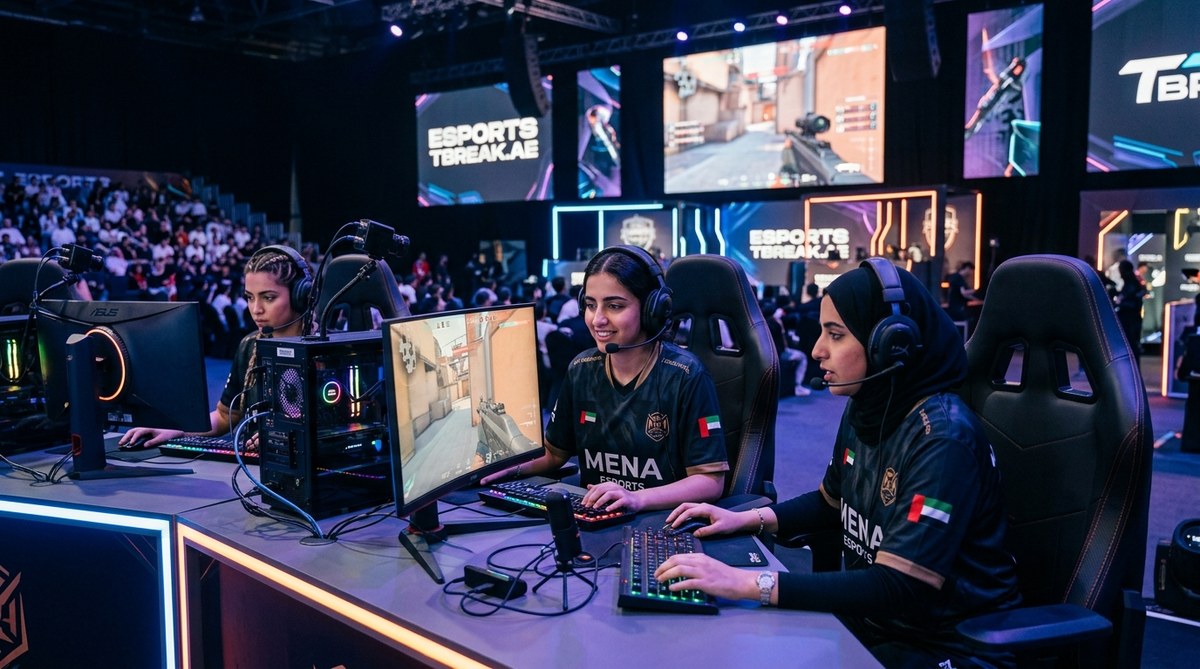
The Rise of Women in Middle Eastern Esports: Breaking Barriers and Building Careers
The Middle Eastern gaming scene is witnessing a transformation that nobody saw coming a decade ago. Female players are now competing at international tournaments, streaming to thousands of followers, and building full-time careers in an industry that once seemed completely inaccessible. Saudi Arabia alone has seen a 250% increase in female esports participation since 2020, and the UAE isn’t far behind.
Women in Middle Eastern esports are breaking cultural barriers through government support, dedicated tournaments, and grassroots communities. Saudi Vision 2030 and similar initiatives have created professional pathways, while female-only leagues provide safe spaces for skill development. The region now hosts major international events and produces competitive players who represent MENA on global stages, fundamentally changing who gets to participate in competitive gaming.
Government initiatives are changing the landscape
Saudi Arabia’s Vision 2030 program has poured billions into gaming infrastructure. The Saudi Esports Federation launched women-specific programs in 2022, offering training facilities, coaching, and tournament opportunities that didn’t exist before.
The UAE followed suit with the Dubai Esports and Games Festival, which now features dedicated women’s brackets across multiple titles. These aren’t token gestures. Prize pools for female competitions have reached six figures, making professional gaming a viable career path.
Bahrain, Kuwait, and Qatar have established their own federations with women’s divisions. Government backing provides legitimacy that helps families understand esports as a real profession, not just a hobby.
Breaking into competitive gaming requires specific steps
Female players looking to compete professionally need to follow a structured path. Here’s how most successful players got started:
- Join online communities focused on your game of choice, preferably ones with active female members who can provide mentorship and support.
- Participate in amateur tournaments to build your competitive resume and learn tournament formats without high-pressure stakes.
- Stream your gameplay on platforms like Twitch or YouTube to build a following and demonstrate consistency to potential sponsors.
- Connect with existing teams through Discord servers, social media, and regional gaming events where scouts actively recruit talent.
- Apply for government-sponsored programs like the Saudi Esports Federation’s development leagues that provide coaching and resources.
- Attend regional LAN events to network with industry professionals, sponsors, and other players who can open doors.
Teams and organizations leading the change
Several organizations have made women’s esports their priority. Team Nigma Galaxy formed a female VALORANT roster in 2023 that now competes across Europe and MENA. Galaxy Racer, based in Dubai, runs multiple women’s teams across different titles.
YaLLa Esports created the first all-female Arab roster in 2021. They’ve competed in international Counter-Strike tournaments and regularly place in regional competitions. Their success proved that Arab women could compete at the highest levels.
Sandstorm Gaming in Saudi Arabia runs development programs specifically for female players aged 16-25. They provide best gaming laptops under 5000 AED available in UAE and Saudi Arabia, peripherals, and coaching at no cost to accepted applicants.
Mobile gaming creates accessible entry points
PC and console gaming require significant investment, but mobile esports democratizes access. PUBG Mobile, Call of Duty Mobile, and Free Fire dominate the region’s competitive scene.
Female players have found particular success in mobile titles. The hardware barrier is lower since most people already own capable smartphones. Training doesn’t require dedicated gaming spaces, which matters in cultures where women may have limited access to gaming cafes.
The why mobile esports dominates the Middle East while PC gaming struggles phenomenon has created opportunities that might not exist otherwise. Mobile tournaments happen weekly across the region, providing constant competitive experience.
Cultural barriers still exist but are weakening
Family acceptance remains the biggest obstacle. Many parents still view gaming as wasteful or inappropriate for daughters. Professional players often start competing anonymously before revealing their identity.
However, government endorsement has shifted perceptions. Seeing female gamers on national TV during tournament broadcasts normalizes the activity. Prize money that matches or exceeds traditional career starting salaries makes the math work for skeptical parents.
Some players face online harassment, but regional platforms have implemented stricter moderation. Female-only Discord servers and practice groups provide safer environments for skill development.
“Five years ago, I couldn’t tell anyone I played competitively. Now my family brags about my tournament wins to relatives. Government support changed everything.” – Layla Ahmed, professional VALORANT player
Training and skill development resources
The region now has dedicated training facilities. Riyadh hosts the Qiddiya Gaming Hub with separate practice areas. Dubai’s gaming lounges offer women-only hours for team practice.
Online coaching has exploded. Platforms like Metafy and Gamer Sensei connect Arab players with international coaches. Many successful MENA players now offer their own coaching services to develop the next generation.
Bootcamps happen quarterly in major cities. These intensive week-long programs bring players together for focused training, strategy sessions, and scrimmages against other developing teams.
Sponsorship and career monetization
Brands are finally recognizing the market potential. Red Bull, Logitech, and regional companies like STC and Etisalat sponsor female players and teams. These deals provide stable income beyond prize winnings.
Content creation offers another revenue stream. Female streamers in the region have built audiences in the hundreds of thousands. Platforms pay for viewership, and sponsors pay for exposure.
Some players have transitioned into casting, analysis, and event hosting. These roles pay well and extend career longevity beyond peak competitive years.
Tournament opportunities across the region
Major events now include women’s divisions as standard. 5 esports tournaments coming to Dubai and Riyadh you can’t miss this year all feature female brackets with substantial prize pools.
The GCC Women’s Esports Championship runs annually with qualifying rounds in each country. Winners advance to finals in Riyadh with international teams invited to compete.
Online leagues provide year-round competition. The MENA Women’s VALORANT Circuit runs monthly qualifiers leading to seasonal finals. Consistent performance earns ranking points that determine seeding for major events.
Educational pathways are emerging
Universities across the region now offer esports programs. The Saudi Electronic University launched an esports management degree in 2024. Curriculum covers team management, event production, and player development.
These programs legitimize esports as a career field. Parents who wouldn’t support pure playing careers accept educational paths that include gaming components.
Scholarships specifically for female esports athletes have appeared at institutions in Dubai and Riyadh. Academic performance plus competitive achievement can cover full tuition.
Common challenges and how to address them
| Challenge | Impact | Solution |
|---|---|---|
| Limited practice time | Slower skill development | Join structured practice groups with set schedules |
| Lack of female teammates | Isolation and difficulty forming teams | Use Discord communities and social media to recruit |
| Harassment in mixed lobbies | Negative experience and burnout | Utilize female-only practice servers and report systems |
| Equipment costs | Barrier to entry and competitive disadvantage | Apply for federation programs that provide gear |
| Family disapproval | Cannot pursue opportunities fully | Show government endorsements and earning potential |
| Travel restrictions | Missing international tournaments | Start with online competitions to build credentials |
Equipment and setup considerations
Competitive gaming requires reliable hardware. Best gaming setups used by top MENA esports champions typically include high-refresh monitors, mechanical keyboards, and gaming mice with adjustable DPI.
Internet stability matters more than raw speed. How to reduce gaming lag and ping issues across Middle Eastern servers becomes critical during competitive matches where milliseconds determine outcomes.
Audio equipment often gets overlooked. Good headsets provide spatial awareness that can mean the difference between winning and losing crucial rounds. Many players invest more in audio than peripherals.
Building a personal brand matters
Social media presence opens doors. Teams scout players through Instagram, Twitter, and TikTok. Consistent posting about training, tournaments, and gaming lifestyle builds followings that attract sponsors.
Content doesn’t need expensive production. Smartphone clips of impressive plays, tournament recaps, and practice highlights perform well. Authenticity resonates more than polish.
Engagement with fans creates loyal communities. Responding to comments, hosting Q&A sessions, and sharing behind-the-scenes content builds connections that translate to viewership and support.
International competition and representation
Arab female players now compete globally. Teams have participated in VCT Game Changers, the premier women’s VALORANT circuit. Representation at international events raises the region’s profile.
How Middle Eastern esports teams are competing on the global stage in 2026 includes several female rosters that hold their own against established European and North American teams.
Success at international events validates the region’s investment. It proves that given resources and opportunities, Arab women can compete with anyone.
The role of streaming and content creation
Streaming provides income and exposure simultaneously. Platforms like Twitch and YouTube pay based on watch time and subscriptions. Top regional streamers earn five-figure monthly incomes.
Content creation allows personality to shine. Viewers connect with streamers who share their culture and language. Arabic-language streams fill a gap that international creators can’t address.
Many professional players stream practice sessions and ranked games. This transparency builds fan bases while maintaining competitive sharpness. It’s training that pays.
Key skills beyond mechanical ability
- Communication: Competitive team games require constant callouts and strategy discussion during matches
- Adaptability: Meta shifts and patch changes demand learning new strategies and sometimes new roles
- Mental resilience: Handling losses, criticism, and pressure separates professionals from casual players
- Time management: Balancing practice, physical fitness, content creation, and personal life prevents burnout
- Business acumen: Understanding contracts, negotiations, and personal branding protects long-term interests
Future outlook for the industry
Why the Middle East gaming market is outpacing global growth in 2026 includes massive investment in women’s esports specifically. Projections show continued expansion through 2030.
Saudi Arabia’s gaming Vision 2030 is transforming the regional esports landscape with dedicated funding for female participation. Billions in infrastructure spending will create more opportunities.
The next generation of players will face fewer barriers. Today’s pioneers are building pathways that make professional gaming a normal career choice for Arab women.
From hobby to profession
The transformation of women in Middle Eastern esports represents more than gaming achievement. It reflects broader cultural shifts around women’s participation in public life and professional spaces.
Every tournament win, every sponsorship deal, and every successful stream normalizes female presence in competitive gaming. The players competing today are creating opportunities for thousands who will follow.
Getting started requires courage, but the infrastructure now exists to support that leap. Training programs, tournaments, and communities are ready to welcome new players. The barriers that seemed insurmountable five years ago have been systematically dismantled by government support and grassroots passion.
Professional gaming careers for Arab women aren’t a distant dream anymore. They’re happening right now, and the door is open wider than ever before.

Post Comment