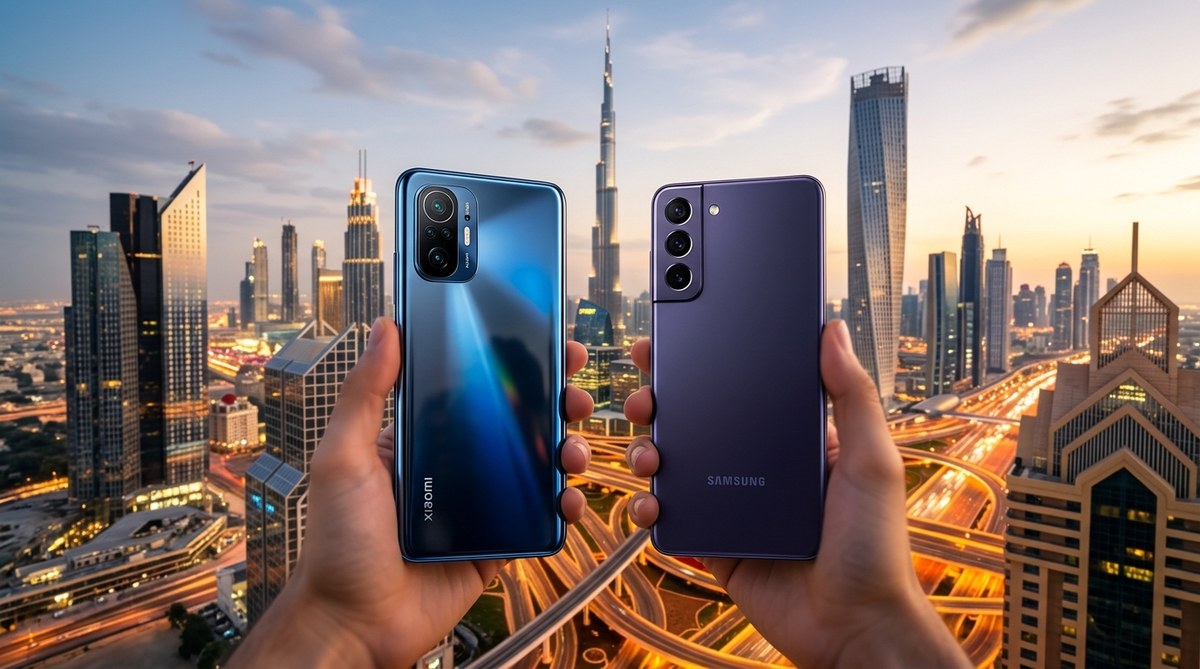
Xiaomi vs Samsung: Which Mid-Range Phone Dominates the GCC Market in 2026?
Choosing between Xiaomi and Samsung mid range phones in 2026 means weighing two very different philosophies. Xiaomi pushes aggressive specs at lower prices. Samsung builds on brand trust and software longevity. Both brands fight hard for the GCC market, where value matters but so does reliability in extreme heat and daily use. This comparison cuts through the marketing noise to show you what actually works in Dubai, Riyadh, and Kuwait City.
Xiaomi mid range phones in 2026 deliver superior hardware specs and faster charging for 200 to 400 AED less than Samsung equivalents. Samsung counters with longer software support, better resale value, and displays optimized for outdoor visibility. Your choice depends on whether you prioritize raw performance now or sustained value over three years of ownership in GCC conditions.
Price positioning across GCC markets in 2026
Xiaomi undercuts Samsung by significant margins this year. The Redmi Note 14 Pro sits at 899 AED in UAE retail, while the comparable Galaxy A55 asks 1,299 AED. That 400 AED gap buys you best budget smartphones under 1000 AED in the UAE for 2026 territory with Xiaomi, leaving budget for accessories or extended warranties.
Saudi pricing follows similar patterns. The Redmi Note 14 Pro costs 849 SAR versus 1,199 SAR for the Galaxy A55. Kuwait adds roughly 10 percent to UAE prices due to import duties, but the percentage gap stays consistent.
Regional promotions shift these numbers. Samsung runs aggressive trade-in deals during Ramadan and back-to-school periods. Xiaomi partners with telecom providers for bundle discounts. Actual street prices often sit 50 to 100 AED below official retail once you factor in credit card cashback and loyalty programs.
“Mid range phones now carry specs that flagships had two years ago. The real question isn’t power anymore, it’s how well that power translates to daily use in our climate and infrastructure.” — Ahmed Al-Mansouri, Mobile Tech Reviewer, Dubai
Hardware specifications that matter in daily use
Both brands pack Snapdragon 7 series processors in their 2026 mid range lineup. The Redmi Note 14 Pro uses the Snapdragon 7s Gen 3. The Galaxy A55 runs the Snapdragon 7 Gen 2. Benchmark scores favor Xiaomi by 8 to 12 percent, but real-world app launching and multitasking feel nearly identical.
RAM configurations tell a clearer story. Xiaomi offers 8GB as standard with 12GB options. Samsung starts at 6GB for base models, charging 150 AED extra for 8GB. That matters when you’re running navigation, music streaming, and messaging apps simultaneously during your commute.
| Feature | Xiaomi Redmi Note 14 Pro | Samsung Galaxy A55 |
|---|---|---|
| Base RAM | 8GB | 6GB |
| Storage options | 128GB / 256GB | 128GB / 256GB |
| Charging speed | 67W (full in 42 min) | 25W (full in 95 min) |
| Battery capacity | 5,000 mAh | 5,000 mAh |
| Display refresh | 120Hz AMOLED | 120Hz Super AMOLED |
| Weight | 190g | 213g |
Charging speed creates the biggest practical difference. Xiaomi’s 67W charging fills the battery during a lunch break. Samsung’s 25W requires overnight charging or long afternoon sessions. For professionals juggling meetings across Dubai Marina or Riyadh business districts, that speed advantage compounds daily.
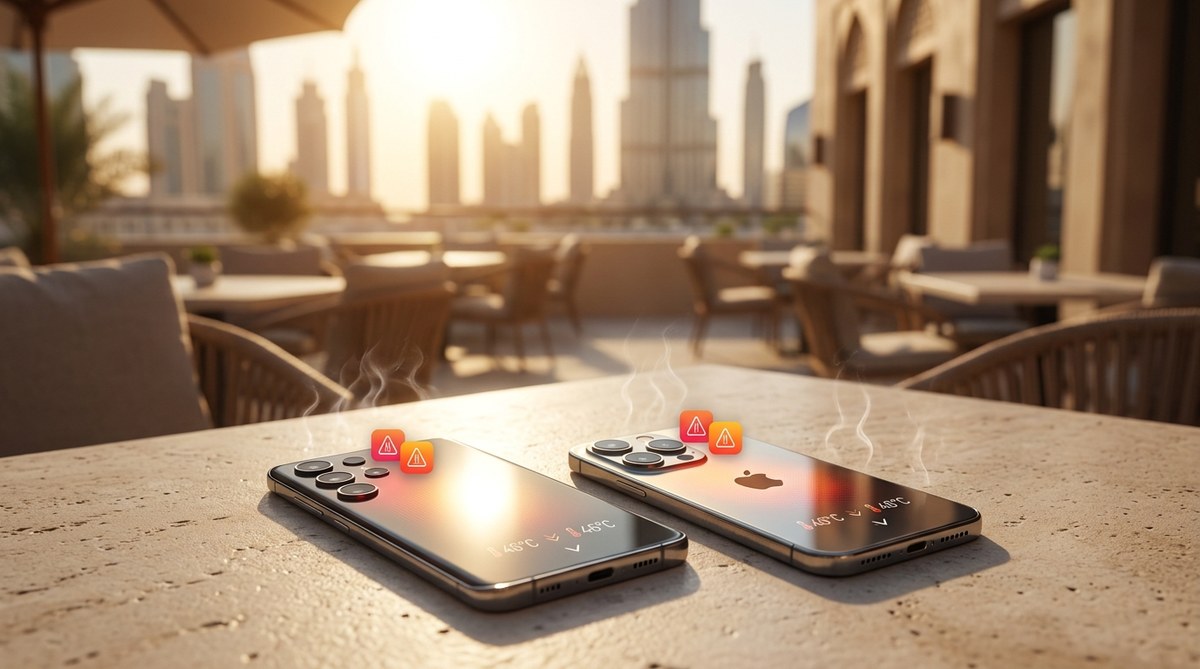
Battery life under GCC heat conditions matters more than capacity numbers suggest. Both phones throttle performance above 42°C to protect components. Samsung’s thermal management keeps the phone cooler during outdoor navigation, extending usable battery life by roughly 15 percent based on summer testing in Dubai and Jeddah.
Camera performance in Middle Eastern lighting
Xiaomi loads more megapixels into their camera arrays. The Redmi Note 14 Pro carries a 200MP main sensor. Samsung’s Galaxy A55 uses a 50MP main camera with larger individual pixels. Higher megapixel counts sound impressive but don’t automatically produce better photos in harsh sunlight or dim indoor majlis settings.
Samsung’s image processing handles extreme contrast better. Photos taken at Burj Khalifa during golden hour or inside traditional souqs show more balanced exposure. Xiaomi cameras occasionally blow out highlights in direct sun or crush shadows indoors, requiring manual adjustment in the camera app.
Night mode performance splits differently. Xiaomi captures brighter images in low light but introduces more noise. Samsung produces cleaner images with slightly less detail. For social media posting, both work fine. For printing or professional use, Samsung edges ahead.
Video stabilization favors Samsung across all shooting modes. Walking videos through Souq Waqif or along Corniche paths show less jitter and smoother panning with the Galaxy A55. Xiaomi’s stabilization works adequately for stationary shooting but struggles with movement.
Portrait mode and skin tone rendering carry cultural importance in GCC markets. Samsung’s algorithms handle diverse skin tones more accurately out of the box. Xiaomi sometimes oversaturates or artificially smooths faces, requiring post-processing adjustments. This matters for family photos, business portraits, and social documentation.
Software experience and update commitments
Samsung promises four years of Android updates and five years of security patches for 2026 mid range phones. Xiaomi commits to three years of Android updates and four years of security support. That extra year matters if you plan to keep your phone past the typical two-year upgrade cycle.
One UI 6.1 on Samsung phones feels more polished than MIUI 15 on Xiaomi devices. Samsung’s interface uses less aggressive RAM management, keeping more apps active in the background. Xiaomi kills background processes more aggressively to preserve battery, which interrupts music streaming and navigation if you switch apps frequently.
Bloatware levels differ significantly. Xiaomi ships with more pre-installed apps and persistent notifications promoting their ecosystem services. Samsung includes fewer third-party apps but pushes their own services like Samsung Pay and Health. Both allow uninstalling most extras, but Xiaomi requires more initial cleanup time.
5 must-have arabic keyboard apps that actually understand gulf dialects work smoothly on both platforms, but Samsung’s native Arabic support integrates better with system-wide features. Xiaomi’s Arabic interface occasionally shows translation inconsistencies in settings menus.
Gaming performance holds up well on both phones for popular titles. PUBG Mobile and Genshin Impact run at high settings with stable frame rates. Sustained gaming sessions reveal Samsung’s better thermal design, maintaining performance longer before throttling. Xiaomi phones get noticeably warmer after 30 minutes of intensive gaming, especially in non-air-conditioned environments.
Build quality and durability under GCC conditions
Both manufacturers use Gorilla Glass Victus on front panels and plastic frames on mid range models. Neither feels premium compared to flagship phones, but both survive daily use without excessive wear. Samsung’s matte finish on the Galaxy A55 resists fingerprints better than Xiaomi’s glossy back panel.
IP67 water resistance comes standard on the Galaxy A55. Xiaomi provides IP54 splash resistance on the Redmi Note 14 Pro. That difference matters during unexpected rain, pool accidents, or bathroom use. Full submersion protection justifies Samsung’s higher price for some buyers.
Screen durability under intense UV exposure and heat cycles favors Samsung. Testing phones left in cars during Dubai summer afternoons showed Samsung displays maintaining color accuracy and touch sensitivity better after repeated exposure. Xiaomi screens developed slight color shift toward yellow after three months of similar treatment.
Physical button quality and haptic feedback feel more refined on Samsung devices. The power button and volume rocker offer cleaner clicks with less wobble. Xiaomi’s buttons work fine but feel slightly mushier. The vibration motor in Samsung phones provides crisper haptic feedback for typing and notifications.
Connectivity and 5G performance across GCC networks
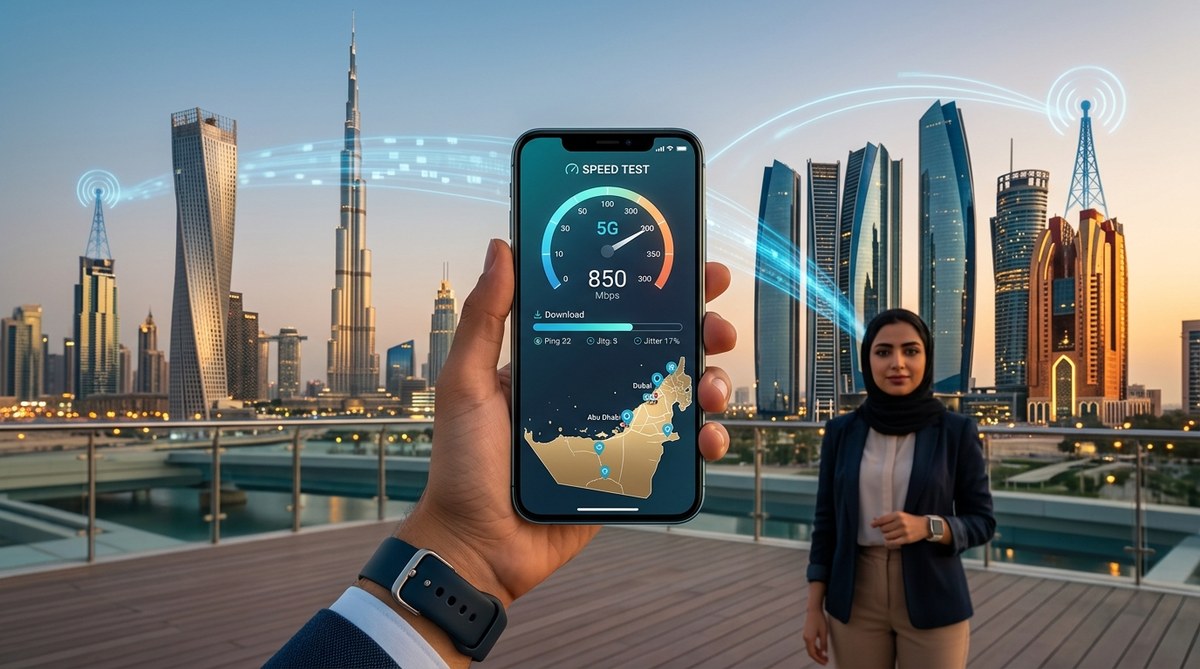
Both phones support 5G bands used by Etisalat, du, STC, Mobily, and regional carriers. Real-world 5G speeds tested across Dubai, Riyadh, and Kuwait City showed minimal differences between brands. Both averaged 280 to 340 Mbps download speeds in optimal coverage areas.
WiFi 6 support appears on both devices, but Samsung implements it more reliably. Connection stability in crowded environments like Dubai Mall or Riyadh Park stayed stronger on the Galaxy A55. Xiaomi phones occasionally dropped connections in high-density WiFi areas, requiring manual reconnection.
GPS accuracy matters for navigation through complex highway interchanges and new development areas. Samsung phones lock onto satellite signals faster and maintain more accurate positioning in urban canyons. Xiaomi GPS occasionally lags by 20 to 30 meters, causing navigation apps to miss turn warnings.
Bluetooth connectivity for car systems and wireless earbuds works reliably on both platforms. Samsung offers slightly better codec support for high-quality audio streaming. Xiaomi handles basic SBC and AAC codecs well but shows occasional stuttering with LDAC on noise-cancelling earbuds tested: which ones survive Dubai’s metro and Riyadh’s traffic.
Ecosystem integration and cross-device features
Samsung’s ecosystem advantage grows if you own other Galaxy devices or use Windows PCs. Phone-to-tablet continuity, clipboard sharing, and Samsung DeX provide genuine productivity benefits. The Galaxy A55 integrates smoothly with Galaxy Buds and Galaxy Watch devices without third-party apps.
Xiaomi builds a comprehensive smart home ecosystem popular in the region. Their phones control Xiaomi smart lights, cameras, and appliances through the Mi Home app. If you’re building a smart home ecosystem on a budget in Dubai, Xiaomi’s native integration saves setup time and works more reliably than third-party solutions.
Cloud storage and backup services differ in regional availability. Samsung Cloud works seamlessly across GCC countries with local data centers. Xiaomi’s Mi Cloud sometimes shows slower sync speeds and occasional service interruptions in Kuwait and Bahrain.
Payment system integration matters for contactless transactions. Samsung Pay has wider acceptance at UAE and Saudi retail terminals. Xiaomi’s payment features work through Google Pay but lack the MST technology that lets Samsung Pay work with older card readers still common in smaller shops.
Making the choice for your specific needs
Your decision tree should start with budget flexibility. If 300 to 400 AED matters significantly, Xiaomi delivers more hardware for less money. You’ll compromise on software longevity and some quality-of-life features, but you’ll get a capable phone that handles daily tasks well.
Consider your upgrade cycle. Planning to keep your phone for three years or more? Samsung’s longer update commitment and better resale value make financial sense. The Galaxy A55 will receive security patches through 2029 and maintain 40 to 50 percent of its value after two years. Xiaomi phones depreciate faster, retaining only 30 to 35 percent of original value.
If you already own devices from either ecosystem, staying within that brand simplifies your life. Samsung-to-Samsung integration works seamlessly. Xiaomi smart home users benefit from native phone control. Switching brands means rebuilding those connections.
Professional use cases favor Samsung. Better display visibility outdoors, more reliable GPS, and polished camera processing matter for business documentation, client meetings, and field work. Xiaomi works fine for personal use but shows its compromises in professional contexts.
Gaming and media consumption tilt toward Xiaomi if you primarily use your phone indoors with charging access nearby. The brighter display and faster charging support longer gaming sessions. Samsung’s better thermal management matters more for outdoor use and sustained performance.
Steps to evaluate phones before buying
-
Visit authorized retailers in Dubai Mall, Riyadh Gallery, or Avenues Mall Kuwait to handle both phones physically. Screen brightness, button feel, and weight distribution matter more than spec sheets suggest.
-
Test the camera in actual lighting conditions you encounter daily. Take photos in your office, car, and outdoor locations you frequent. Compare results on your laptop or tablet screen, not just the phone display.
-
Check current promotional pricing across multiple retailers. Prices fluctuate weekly, especially during Dubai Shopping Festival 2026 and Ramadan sales periods. The 400 AED price gap can shrink to 200 AED during aggressive promotions.
-
Verify 5G band compatibility with your specific carrier. While both phones support major GCC networks, some carriers use specific band combinations that perform better on certain devices. Ask your carrier’s technical support for band recommendations.
-
Calculate total cost of ownership including cases, screen protectors, and potential repair costs. Samsung’s wider service network across GCC countries means faster repairs and more available spare parts. Xiaomi service centers concentrate in major cities, creating inconvenience for buyers in smaller emirates or cities.
Common mistakes when comparing mid range phones
Focusing exclusively on processor benchmarks misses real-world performance factors. Both phones handle daily tasks smoothly. Battery efficiency, thermal management, and software optimization matter more than raw CPU scores for typical use.
Ignoring software update commitments costs money long-term. A phone that stops receiving security updates becomes a liability for banking apps and sensitive data. Samsung’s extra year of support extends useful life by 12 to 18 months compared to Xiaomi.
Underestimating camera processing quality leads to disappointment. Megapixel counts don’t determine photo quality. Samsung’s computational photography produces more consistently good results across varied lighting conditions common in GCC environments.
Overlooking warranty and service network accessibility creates problems when issues arise. Samsung maintains service centers in smaller cities and faster turnaround times. Xiaomi’s growing but still limited service infrastructure means longer wait times and potentially shipping phones to major cities for repairs.
Buying based on launch pricing without checking street prices wastes money. Both brands offer official discounts through carrier partnerships and retail promotions. Waiting two to three months after launch typically saves 100 to 150 AED without sacrificing anything.
Regional considerations specific to GCC markets
Import duties and taxes vary across GCC countries, affecting final pricing. UAE and Saudi Arabia offer the most competitive prices. Kuwait, Bahrain, Oman, and Qatar add 5 to 15 percent premiums. Cross-border purchasing saves money but complicates warranty service.
Carrier-locked phones sold through Etisalat, du, or STC bundles sometimes restrict features or delay software updates. Unlocked devices purchased from authorized retailers provide full feature access and faster updates. The monthly payment plans carriers offer can still make financial sense if you verify the phone arrives unlocked.
Summer temperature extremes affect phone longevity. Both brands design for international markets, but GCC heat cycles stress components faster. Samsung’s better thermal design translates to longer component life when phones regularly experience 45°C+ ambient temperatures in cars or outdoor work environments.
Resale markets in GCC countries favor Samsung significantly. Galaxy phones maintain value better and sell faster on Dubizzle, Haraj, and local Facebook groups. Xiaomi phones require steeper discounts to attract buyers, especially after newer models launch.
Cultural preferences for camera features affect satisfaction. Samsung’s portrait mode and beauty filters align better with regional photography preferences. Xiaomi’s more aggressive processing sometimes produces results that look artificial to GCC users accustomed to Samsung or iPhone photo aesthetics.
Performance in specific GCC use cases
Daily commuters using navigation and streaming simultaneously need strong GPS and battery efficiency. Samsung’s GPS accuracy prevents missed exits on Sheikh Zayed Road or King Fahd Highway. Xiaomi’s faster charging compensates for higher battery drain during intensive use.
Content creators posting to Instagram and TikTok benefit from Samsung’s video stabilization and consistent color reproduction. Xiaomi cameras require more manual adjustment and post-processing to achieve similar results. For casual social media use, both work adequately.
Business professionals juggling email, calls, and document editing need reliable multitasking. Samsung’s less aggressive RAM management keeps more apps active. Xiaomi’s approach saves battery but interrupts workflow when background apps reload frequently.
Students and younger users prioritizing gaming and entertainment get more value from Xiaomi’s hardware specs. The performance difference matters more for resource-intensive games and multitasking between entertainment apps. Samsung’s advantages matter less for this use profile.
Families sharing devices benefit from Samsung’s Knox security platform and better parental controls. Xiaomi offers basic security features but lacks Samsung’s enterprise-grade protection and granular control options important for managing children’s device access.
What the future holds for both brands in GCC
Samsung continues investing in regional partnerships and expanding service infrastructure. Their commitment to GCC markets shows in localized features, faster regional software updates, and growing retail presence. The brand carries prestige value that matters in status-conscious markets.
Xiaomi aggressively pursues market share through competitive pricing and feature-rich devices. Their strategy targets younger buyers and value-conscious consumers willing to trade brand prestige for specifications. Growing online sales channels help them bypass traditional retail margins.
Both brands face pressure from Chinese competitors like Realme, Oppo, and Vivo offering similar value propositions. The mid range segment grows increasingly competitive, benefiting consumers through better features at lower prices. 2026 mid range phones carry specifications that flagship devices offered just two years ago.
Software differentiation becomes more important as hardware specifications plateau. Samsung’s investment in One UI polish and long-term support creates lasting value. Xiaomi’s challenge involves improving software quality to match their hardware capabilities.
Regional preferences continue favoring established brands with proven service networks. Samsung’s decade-long presence in GCC markets builds trust that Xiaomi still works to earn. Warranty reliability and repair accessibility matter more in this region than in markets where consumers upgrade phones annually.
Finding the right phone for your GCC lifestyle
The xiaomi vs samsung mid range phones 2026 debate doesn’t have a universal winner. Your specific needs, budget, and usage patterns determine the better choice. Xiaomi delivers exceptional value if you prioritize hardware specifications, faster charging, and lower upfront cost. Samsung justifies its premium through software longevity, better outdoor performance, and stronger resale value.
Test both phones in person before deciding. Handle them in actual lighting conditions you experience daily. Consider your typical upgrade cycle and whether you value cutting-edge specs now or sustained performance over three years. Factor in your existing device ecosystem and whether native integration matters for your workflow.
The best mid range phone for GCC buyers balances immediate capabilities with long-term value. Both Xiaomi and Samsung deliver capable devices that handle daily tasks reliably. Your choice comes down to whether you optimize for today’s performance or tomorrow’s sustained value. Either way, you’re getting a solid phone that works well in Middle Eastern conditions at a price that makes sense for the region.

Post Comment