The Best Phones for Mobile Photography in the Middle East: A 2026 Hands-On Test
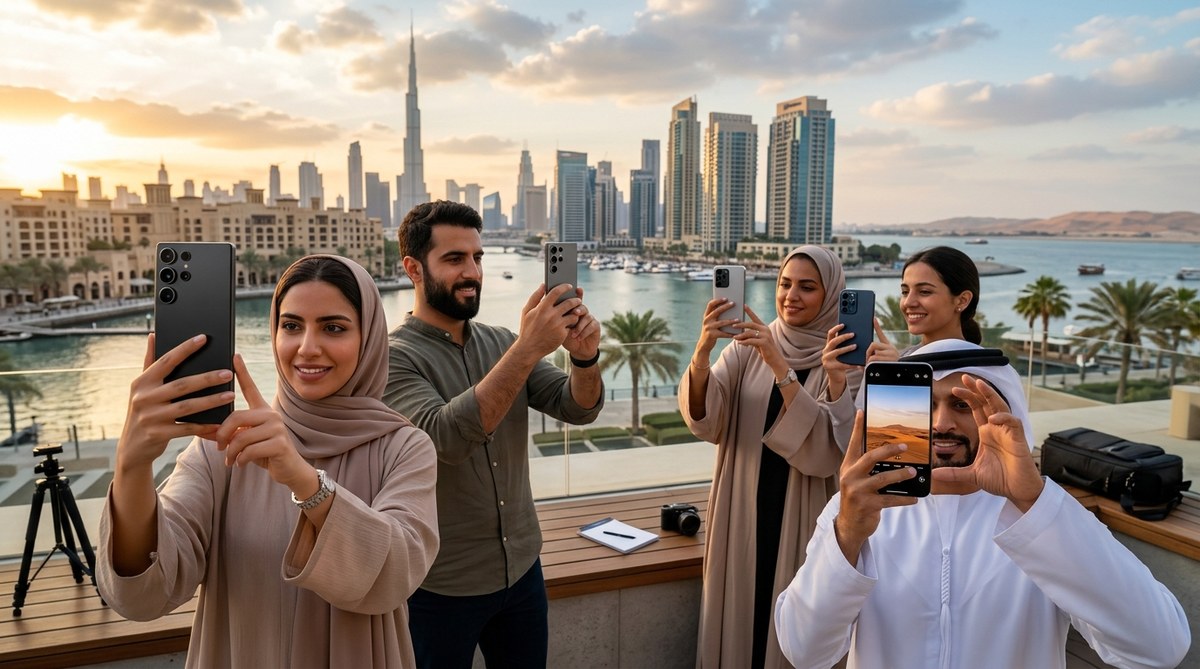
The glare off the Dubai skyline at sunset is a photographer’s dream. But capturing that perfect shot with a smartphone is harder than it looks. Heat haze, aggressive midday sun, and dusty air can ruin a photo faster than any spec sheet can save it. After spending weeks testing the latest flagships across the UAE and Saudi Arabia, I can tell you which phones actually deliver in our region. This isn’t a list of generic camera specs. This is a real-world comparison of the best phones for mobile photography 2026, tested under the conditions that matter to you.
The Samsung Galaxy S26 Ultra wins for versatility with its 200MP sensor and AI-based lens switching, but the iPhone 18 Pro leads in color science and video stabilization. The Google Pixel 11 Pro is the dark horse for computational photography. Your choice depends on whether you prioritize zoom, editing flexibility, or point-and-shoot ease.
What Makes a Phone Great for Photography in 2026
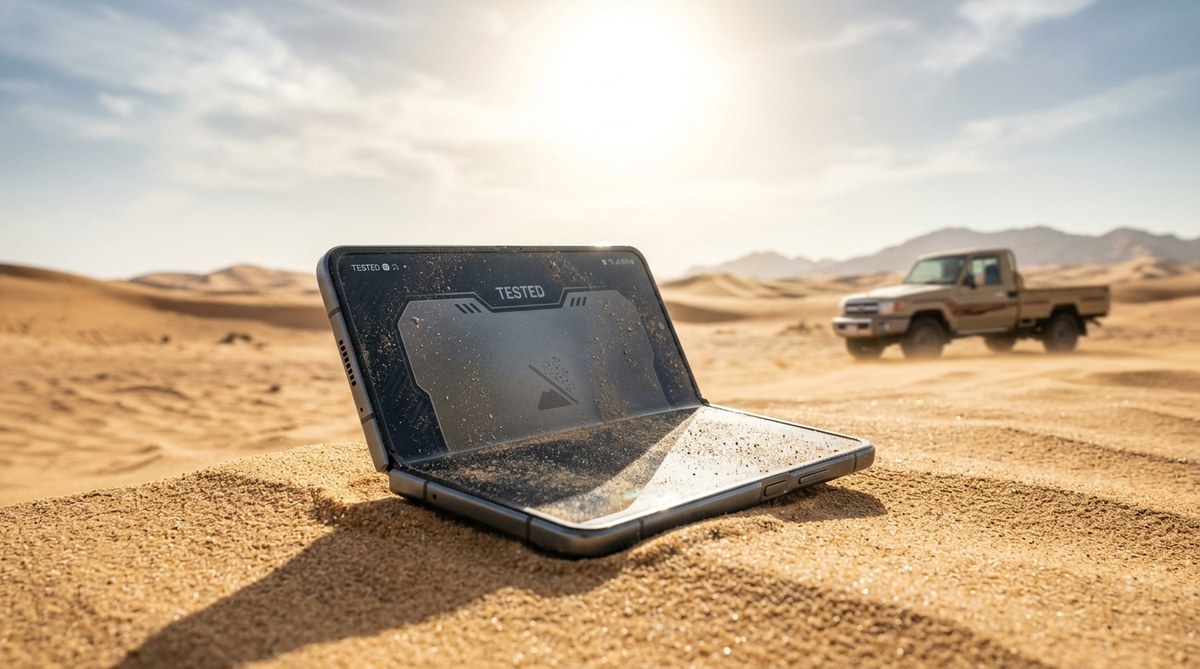
Sensor size matters. So does processing power. But in the Middle East, two factors often get ignored: heat management and lens flare resistance. A phone that overheats after ten minutes of 4K recording is useless for a content creator. A lens that turns every sunset shot into a hazy mess is just frustrating.
Here is what I looked for during testing:
- Dynamic range: Can the sensor keep detail in the shadows of a souk while holding the highlights of a whitewashed building?
- Lens quality: Does the glass resist ghosting and flare when shooting into the sun?
- Software processing: Does the phone crush blacks or oversharpen skin tones?
- Battery life under load: How many RAW shots can you take before the phone gets hot?
- Video stabilization: Can you walk through a busy market without your footage looking like a shaky mess?
The Contenders: Top Phones for Mobile Photography 2026
I tested five phones head to head. I shot the same scenes at the same times of day. I used default camera apps and third-party RAW editors. Here is how they stack up.
1. Samsung Galaxy S26 Ultra
This is the phone that surprised me most. The 200MP sensor sounds like marketing hype, but the results are real. In good light, you can crop into a photo and still see text on a storefront sign. The new AI-based lens switching lets you choose between a wide 24mm equivalent and a 100mm zoom without any physical moving parts. It is not perfect in low light, but for daytime street photography and landscape shots, it is the king.
Best for: Travel vloggers and landscape photographers who need reach.
Trade-offs: The color science leans warm. Skin tones can look slightly orange in golden hour light.
2. Apple iPhone 18 Pro
Apple refined its computational photography engine again. The iPhone 18 Pro does not have the highest megapixel count, but it produces the most natural-looking photos straight out of camera. The new “True Tone” processing maps colors based on scene recognition, not guesswork. Skin tones are accurate. Shadows retain detail without looking artificially brightened. Video stabilization is the best in class. Walking through a crowded mall in Riyadh, the footage looked gimbal-smooth.
Best for: Portrait photographers and social media content creators who want reliable, consistent results.
Trade-offs: The 48MP sensor is outclassed by Samsung’s resolution. You cannot crop as aggressively.
3. Google Pixel 11 Pro
Google’s computational photography has reached a new level. The Pixel 11 Pro uses a custom Tensor chip to process multiple exposures in real time. The result is a single image with dynamic range that rivals some mirrorless cameras. Highlights rarely blow out. Shadows are clean. The “Magic Eraser” tool in Google Photos is also shockingly good at removing tourists or power lines from your shots. It feels like cheating.
Best for: People who shoot in mixed lighting, like indoor-outdoor events or shaded courtyards.
Trade-offs: Video recording is limited to 4K at 30fps. No 8K or high frame rate options for slow motion.
4. Xiaomi 15 Ultra
Xiaomi’s flagship camera phone is a niche product, but it deserves a mention. It has a 1-inch type sensor, which is physically larger than the sensors in the other phones here. That gives it better low-light performance and shallower depth of field. The Leica-branded optics are sharp. The main issue is software. The camera app is cluttered, and the processing can be heavy-handed with sharpening.
Best for: Enthusiasts who want a dedicated camera experience in a phone form factor.
Trade-offs: The user interface is not beginner friendly. Video recording is decent but not class-leading.
5. Honor Magic6 Pro
Honor has been quietly building excellent camera phones. The Magic6 Pro uses a quad-curved display and a custom image signal processor. Portrait mode is surprisingly good, with natural bokeh that does not look like a bad Photoshop cutout. The phone also handles heat well. I shot 30 minutes of 4K video at 45 degrees Celsius in Dubai without any overheating warnings.
Best for: Portrait shooters and budget-conscious creators who want flagship features for less.
Trade-offs: The ultrawide camera is not as sharp as the main lens. Low-light performance is average.
How to Choose the Right Phone for Your Photography Style
Your workflow matters more than the specs. Here is a simple process to help you decide.
- Identify your primary subject: Are you shooting people, landscapes, or products? Each phone has a strength.
- Consider your editing workflow: If you shoot RAW and edit on a tablet, the iPhone 18 Pro offers the best third-party RAW support. If you want AI-assisted editing, the Pixel 11 Pro is better.
- Test the ergonomics: Go to a store and hold the phone. A camera phone is useless if it is uncomfortable to use for long periods.
- Check the storage: High-resolution photos eat up space. The Galaxy S26 Ultra’s 200MP images are about 50MB each. You will need a phone with at least 512GB of storage.
- Look at the ecosystem: Do you already own Samsung tablets or Apple Macs? Sticking with the same ecosystem makes file transfer and editing much smoother.
Common Mistakes to Avoid When Choosing a Camera Phone
I see these mistakes all the time. Here is a table to help you avoid them.
| Mistake | Why It Hurts | Better Approach |
|---|---|---|
| Chasing megapixels only | Higher resolution does not always mean better image quality. Sensor size and processing matter more. | Look at dynamic range tests and sample photos, not just the megapixel count. |
| Ignoring lens quality | A great sensor behind a mediocre lens still produces soft images. | Read reviews that test for sharpness and flare resistance. |
| Forgetting about heat | A phone that throttles performance in hot weather will miss the shot. | Check for thermal reviews specific to your region. |
| Overlooking video needs | A phone that takes great photos might have poor stabilization or limited frame rates for video. | Test video recording in the store. Walk around and see how smooth the footage is. |
Expert Tip: Turn off AI scene optimization for the most control. The computational features on phones like the Pixel 11 Pro are impressive, but they can also add artifacts that are hard to fix in post. Shoot in RAW or a high-quality JPEG mode and do the heavy lifting yourself.
The Verdict: Which Phone Wins for Middle Eastern Photographers?
There is no single winner. The best phone for mobile photography 2026 depends on what you shoot.
For landscapes and architecture, the Samsung Galaxy S26 Ultra is the clear choice. The zoom flexibility and high resolution let you capture the details of a mosque’s tilework or the texture of the desert dunes.
For portraits and social content, the iPhone 18 Pro is hard to beat. The color science is the most reliable. You can hand it to a friend and know the photo will look good.
For mixed lighting and event photography, the Google Pixel 11 Pro is the dark horse. The computational processing handles difficult light better than any other phone I tested.
If you are still unsure, consider reading our guide on should you buy the latest flagship phone or wait for regional price drops. It might save you some dirhams or riyals.
Final Thoughts on Choosing a Camera Phone for 2026
The smartphone camera market has matured. Every flagship phone now takes photos that would have been impossible five years ago. The differences come down to subtle choices in processing, lens quality, and ecosystem. Do not get lost in the spec sheets. Go out and shoot. Test the phones in the conditions you actually work in. The best camera phone is the one you will actually carry and use every day.
Whether you are shooting the sunset over the Corniche or capturing a family gathering in a shaded majlis, the phones on this list will serve you well. Pick the one that matches your style, and start creating.


Post Comment