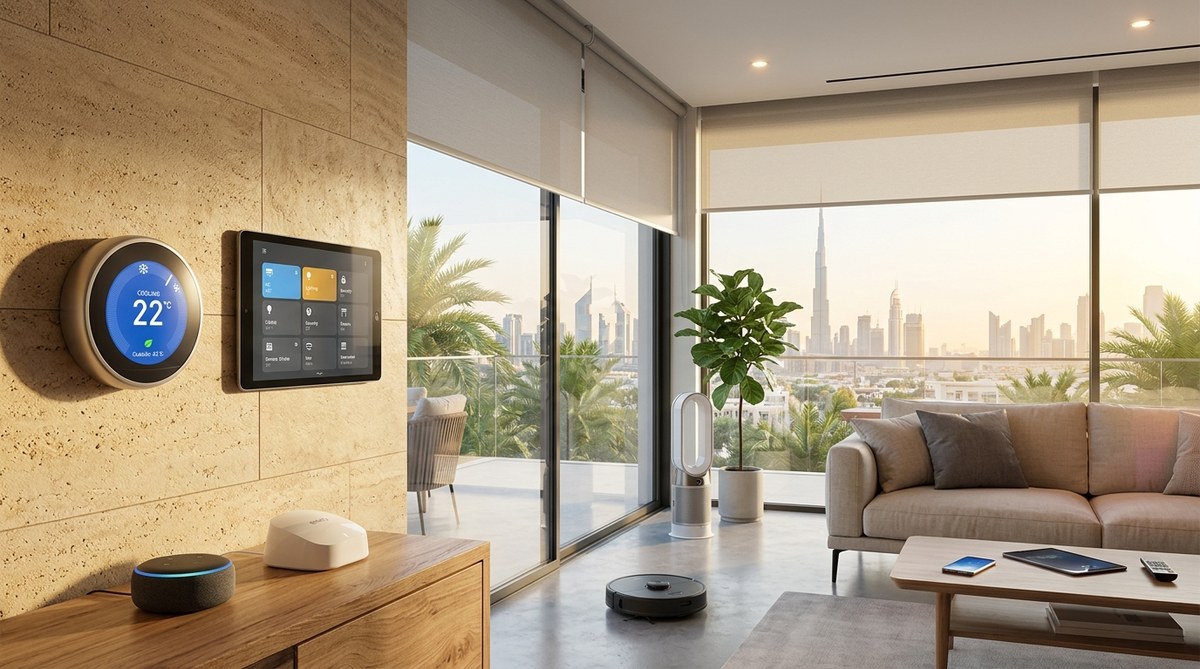
Ultimate Guide to Smart Home Devices That Thrive in Middle Eastern Climates
Smart home technology is transforming how Middle Eastern homeowners live. From scorching summers to humid winters, regional climate challenges demand devices built to perform under tough conditions. Whether you’re upgrading your home or starting fresh, understanding which smart devices work best in Middle East climates helps you enjoy comfort, security, and convenience. This guide walks you through what to look for, the best options available, and practical steps to create a smart home ecosystem tailored to regional needs.
Middle East smart home devices are evolving to withstand extreme heat, dust, and humidity. Choosing climate-optimized gadgets enhances comfort and security, making your smart home truly regional-ready.
Understanding the Middle Eastern Climate and Its Impact on Smart Devices
The Middle East faces unique environmental conditions. Temperatures often soar beyond 45 degrees Celsius during summer, and dust storms are a common occurrence. High humidity in coastal areas adds another layer of complexity. These factors influence how smart home devices perform and last.
Devices not designed for such conditions might fail prematurely or require frequent maintenance. For example, standard WiFi routers can struggle with dust interference, and traditional thermostats may not handle extreme heat efficiently. Choosing gadgets built with durable materials and optimized for hot, dusty environments ensures longevity and reliable performance.
Key Features to Look for in Smart Home Devices for Regional Climates
When selecting smart home technology for Middle Eastern climates, focus on features that address regional challenges:
- Heat resistance: Devices with high-temperature tolerances prevent overheating and failure.
- Dust and humidity protection: Sealed enclosures and dust-proofing extend device lifespan.
- Energy efficiency: Devices that optimize power consumption reduce cooling costs during hot seasons.
- Remote control and automation: Automating climate control and security minimizes manual effort and maximizes efficiency.
By prioritizing these features, homeowners can enjoy a seamless smart home experience that withstands regional environmental pressures.
Top Smart Home Devices That Thrive in Middle Eastern Climates
Here are some of the most reliable smart devices suited for regional conditions:
1. Climate Control Systems with Advanced Thermostats
Smart thermostats like the Nest Learning Thermostat or Ecobee SmartThermostat are designed to manage temperature precisely. Look for models with high heat tolerance and dust resistance. These devices adapt to your schedule and optimize cooling, saving energy during intense summers.
2. Weather-Resistant Security Cameras
Wireless security cameras such as the Arlo Ultra or Reolink Argus are built to withstand dust, heat, and humidity. Features like weatherproof enclosures, infrared night vision, and motion detection provide security regardless of environmental conditions.
3. Smart Lighting with Durable Materials
LED smart lighting solutions like Philips Hue or LIFX are energy-efficient and resistant to regional climate factors. Use weatherproof outdoor variants to illuminate pathways and gardens without worry about dust or heat damage.
4. Automated Curtains and Blinds
Smart curtains like Somfy or Xiaomi Smart Curtains can help block out heat and dust, keeping interiors cooler. These devices are designed to operate smoothly in dusty environments and can be programmed for daily schedules.
5. Dust and Humidity Sensors
Integrated sensors monitor indoor air quality and humidity levels. Devices like Awair Element or Eve Room help maintain healthy indoor environments, especially in coastal areas with high humidity.
Practical Steps to Implement Smart Devices in Your Middle Eastern Home
To build a resilient smart home ecosystem, follow these steps:
- Assess your environment: Understand your local climate specifics, such as temperature ranges and dust levels.
- Choose climate-optimized devices: Prioritize products with high durability ratings, weatherproofing, and high-temperature tolerances.
- Plan your network infrastructure: Use mesh WiFi systems like Netgear Orbi or Google Nest Wifi to ensure stable connectivity amid dust and interference.
- Integrate automation: Set routines for cooling, lighting, and security to operate efficiently during peak heat or dust storms.
- Regular maintenance: Clean dust filters and update firmware to keep devices functioning optimally.
Typical Mistakes to Avoid When Installing Smart Devices in Hot and Dusty Climates
| Mistake | Consequence | How to Avoid |
|---|---|---|
| Using standard devices without climate ratings | Shorter lifespan, frequent failures | Select devices with high IP (Ingress Protection) ratings and heat tolerance |
| Not sealing outdoor devices properly | Dust accumulation, damage | Use weatherproof enclosures and seal all entry points |
| Overlooking network stability | Frequent disconnections | Invest in a mesh WiFi system suitable for regional interference |
| Ignoring regular maintenance | Reduced performance | Schedule routine cleaning and firmware updates |
Expert Tip: “Always check the device specifications for environmental ratings before purchase. Investing in weatherproof and dust-resistant gadgets ensures your smart home remains functional through Middle Eastern seasons.”
Additional Tips for a Successful Smart Home Setup in the Middle East
- Opt for regional brands: Some Middle Eastern tech companies develop gadgets specifically designed for local climates.
- Use solar-powered options: During long sunny days, solar-powered smart devices can reduce energy costs.
- Prioritize energy efficiency: Devices that adapt to external temperatures help minimize cooling expenses.
- Ensure backup power sources: Power outages during storms or heatwaves make UPS systems essential for critical devices.
The Future of Smart Homes in the Region
The Middle East is witnessing rapid growth in climate-ready smart technology. Innovations include solar-integrated devices, AI-powered climate control, and dust-proof hardware. As regional brands increase their offerings, homeowners will have more tailored options to improve comfort and security.
Regional cooperation and government initiatives also promote sustainable, environment-adapted smart solutions. Staying informed about the latest advancements helps you make smart choices and maximize your home’s potential.
Your Path to a Climate-Resilient Smart Home
Building a smart home suited for Middle Eastern climates involves selecting devices engineered to withstand heat, dust, and humidity. By understanding environmental demands and choosing technology designed for regional conditions, you create a home that offers comfort, safety, and efficiency year-round. Remember to plan carefully, avoid common pitfalls, and keep devices maintained to enjoy the full benefits of smart living.
As you consider upgrading your space, look for regional-specific gadgets and features that align with your lifestyle. A well-designed smart home not only adapts to your environment but also enhances your everyday experience, making every season more comfortable and secure.



Post Comment